NeighborhoodLowry Hill
From Lowry Hill Residents, Inc. to LHNA: A Group Evolves
In June 1975, the homeowner-dominated Lowry Hill association opened membership and board seats to renters.
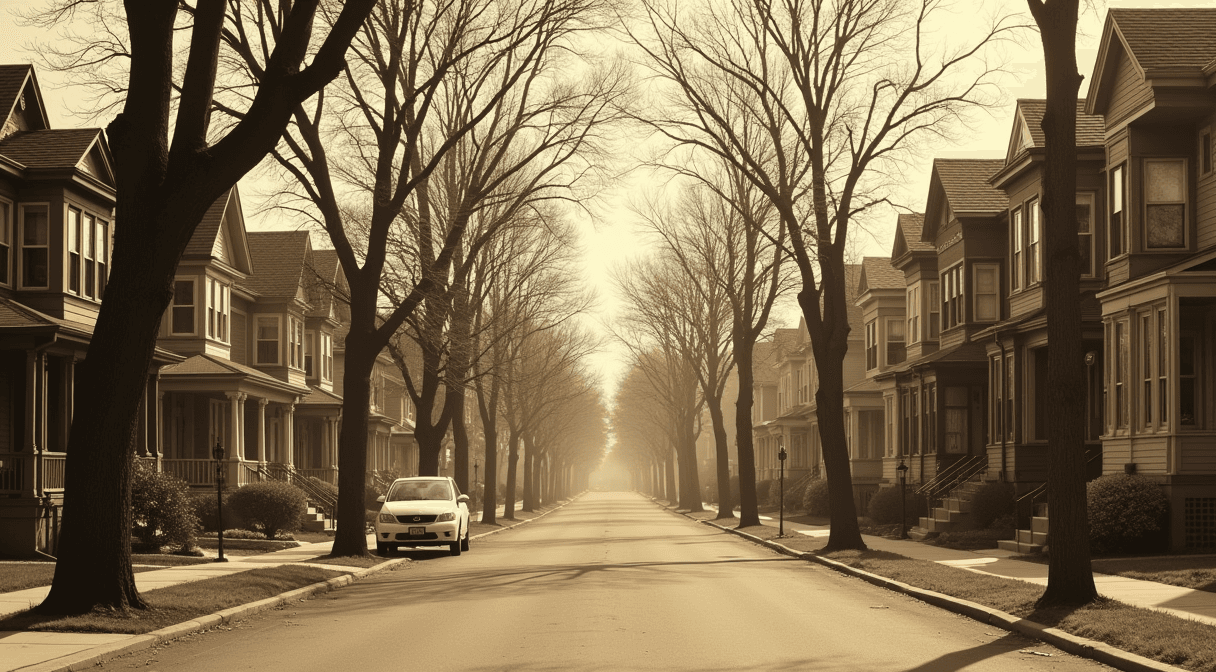
The neighborhood group that today calls itself the Lowry Hill Neighborhood Association began in 1948 as Lowry Hill Homeowners, Inc., an organization formed in the postwar housing crunch to push back against the conversion of single-family homes into rooming houses and to restore conformity with the area's single-family and duplex zoning. By its own account it is one of the oldest continuously operating neighborhood associations in the Twin Cities.
That founding purpose defined who the group was for. An organization built around zoning conformity and the protection of single-family blocks was, in practice, an organization of property owners. Renters had no standing in it.
That changed in June 1975, when the group reorganized as Lowry Hill Residents, Inc., and opened membership and board seats to residents who did not own their homes. The new name was the point: the association recast itself as a body of residents rather than of homeowners, broadening who it claimed to represent. The records of Lowry Hill Residents, Inc. are held in Special Collections at the Hennepin County Library.
The change was more than a relabeling. Seating renters on the board changed who could set the agenda and which concerns counted as the neighborhood's, at a time when neighborhood associations across Minneapolis were forming and reshaping the structures that still organize local civic life.
The 1975 decision looks consequential in hindsight. Lowry Hill is now a majority-renter neighborhood: of roughly 4,140 residents, about 55 percent rent and 40 percent own, according to the association's own profile. An organization still restricted to homeowners would speak for a minority of the people who live there.
For current residents, the history is a reminder that the renter's seat at the table was a deliberate choice made at a particular meeting, not a permanent feature of the institution. The more representative association that exists today is the result of that 1975 vote.
NeighborhoodLowry Hill
Related stories

Neighborhood
The end is in sight for Loring Park dandelion fountain's drought
State lawmakers approved $1.8 million for Berger Fountain repairs, and Park Board crews have begun demolition at the dry Loring Park landmark.
Neighborhood
The neighborhood, in your inbox
Free. No paywall. Pick the topics you want — we send what’s happening this week.