NeighborhoodLowry Hill East (The Wedge)Greater Uptown & Nearby
Praise and Pushback: How the Wedge Weighed In on the Hennepin Redesign
Before construction began, LHENA's community development committee surveyed residents on the city's plans, and the verdict was mixed.
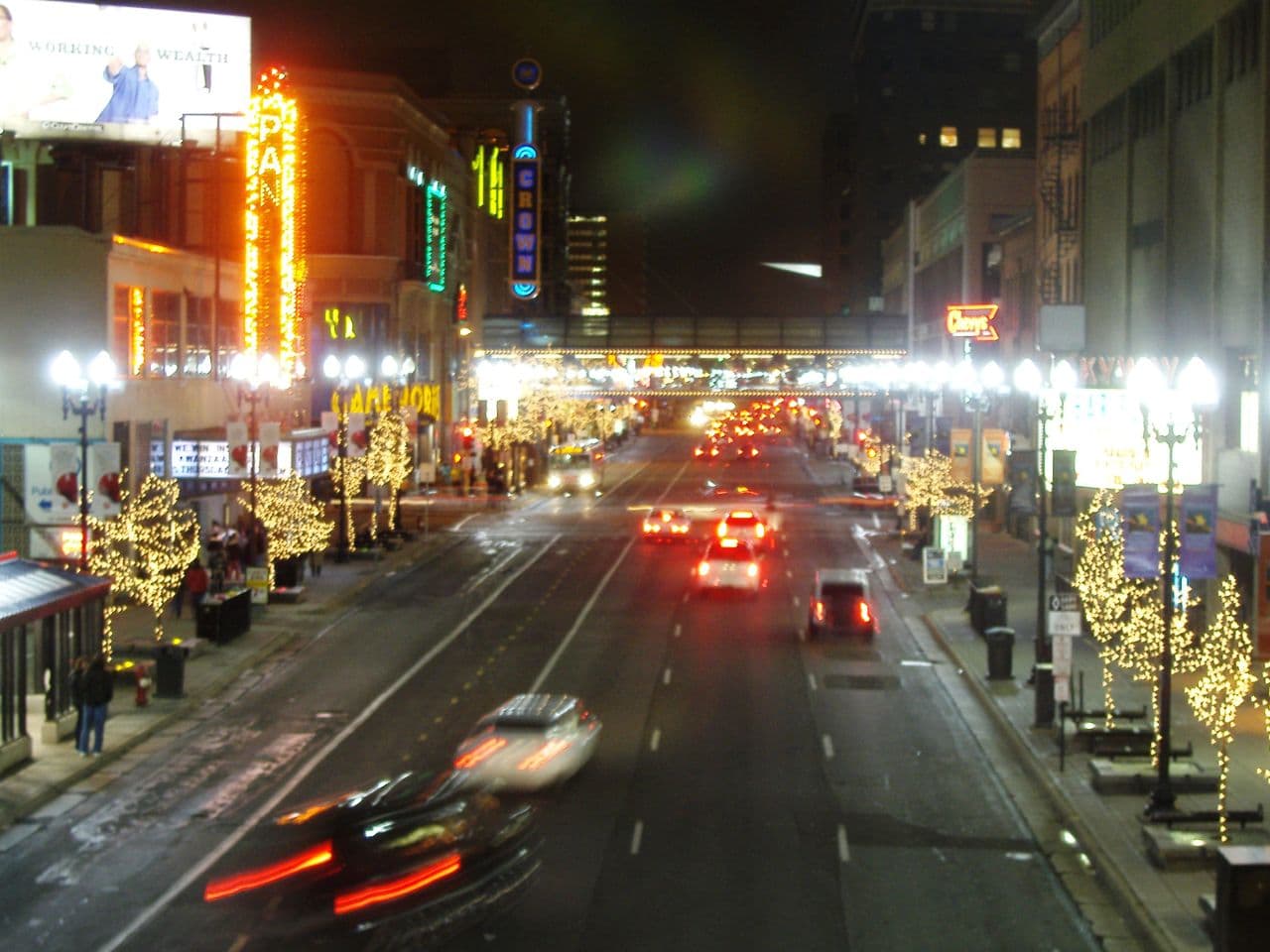
Before construction began, LHENA's community development committee surveyed residents on the city's plans, and the verdict was mixed.
As the city advanced its Hennepin Avenue South reconstruction, the Lowry Hill East Neighborhood Association did what it tends to do with a big project on its border: it organized. The association's community development committee surveyed Wedge residents to gather their views, aiming to channel local opinion into the city's process rather than let a corridor on the neighborhood's western edge be reshaped without a neighborhood voice.
LHENA — the Lowry Hill East Neighborhood Association, pronounced "Lee-Nah" — is the volunteer-led nonprofit recognized by the City of Minneapolis as the Wedge's official neighborhood organization, one of dozens across the city. Its mission is to provide a structure for neighborhood leadership and participation, to facilitate the equitable sharing of resources, and to advance a vision for the neighborhood. Gathering and relaying resident opinion on a corridor that forms the neighborhood's western boundary fits squarely inside that work.
The proposal was genuinely divisive. The plan promised enhanced bus and bike lanes, including a two-way protected bikeway, but it also called for eliminating most on-street parking along the corridor. That trade-off won strong support from residents who wanted faster transit and safer biking, and drew pointed concern from others worried about parking, deliveries and access for the avenue's small businesses. Coverage at the time described a redesign that drew a mix of praise and criticism — a fair summary of how the Wedge itself received it.
Hennepin is a city and county project, decided well above the neighborhood level. But association input shapes how a project lands — which crossings get prioritized, how loading is handled, when the work is scheduled around local life. Channeling dozens of individual opinions into a single, documented neighborhood voice is one of the most concrete things a group like LHENA does, and a standing organization can carry an institutional memory of what worked, what did not, and what the neighborhood asked for last time.
That work continues. With the avenue finished and the city's focus shifting to Lyndale Avenue, the same survey-and-forum approach LHENA built for Hennepin is now a template, and the association has the credibility from the Hennepin process to gather resident opinion and press it on planners again. The lesson Wedge organizers draw is simple: a neighborhood that shows up with data and a clear position gets heard, even on a project it does not control.
Neighborhood
Related stories

Neighborhood
The end is in sight for Loring Park dandelion fountain's drought
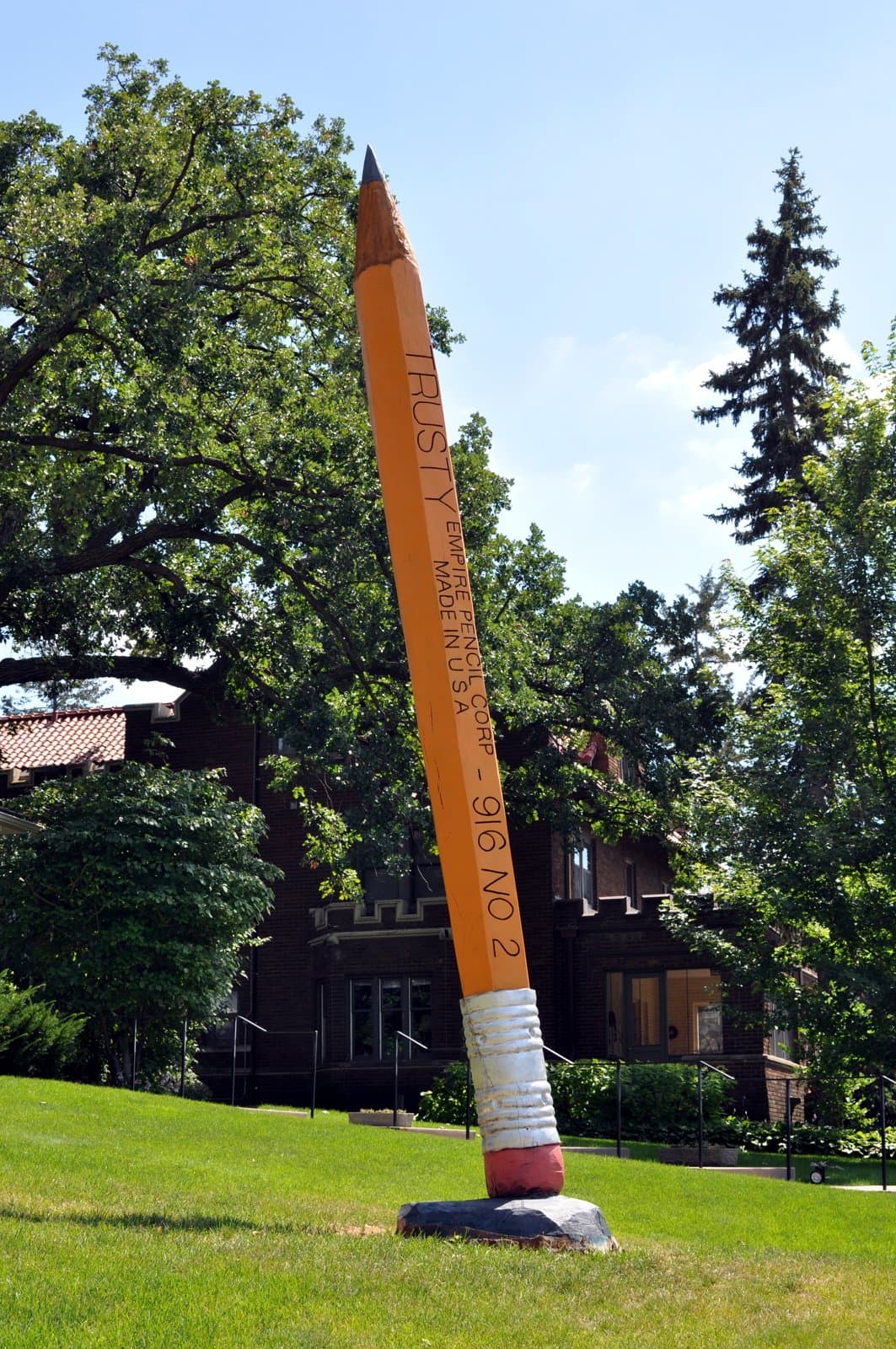
State lawmakers approved $1.8 million for Berger Fountain repairs, and Park Board crews have begun demolition at the dry Loring Park landmark.
Neighborhood
The neighborhood, in your inbox
Free. No paywall. Pick the topics you want — we send what’s happening this week.