NeighborhoodLowry Hill East (The Wedge)Greater Uptown & Nearby
Reading the Wedge Development Vision
LHENA's development vision document spells out how residents want growth to land in the neighborhood.
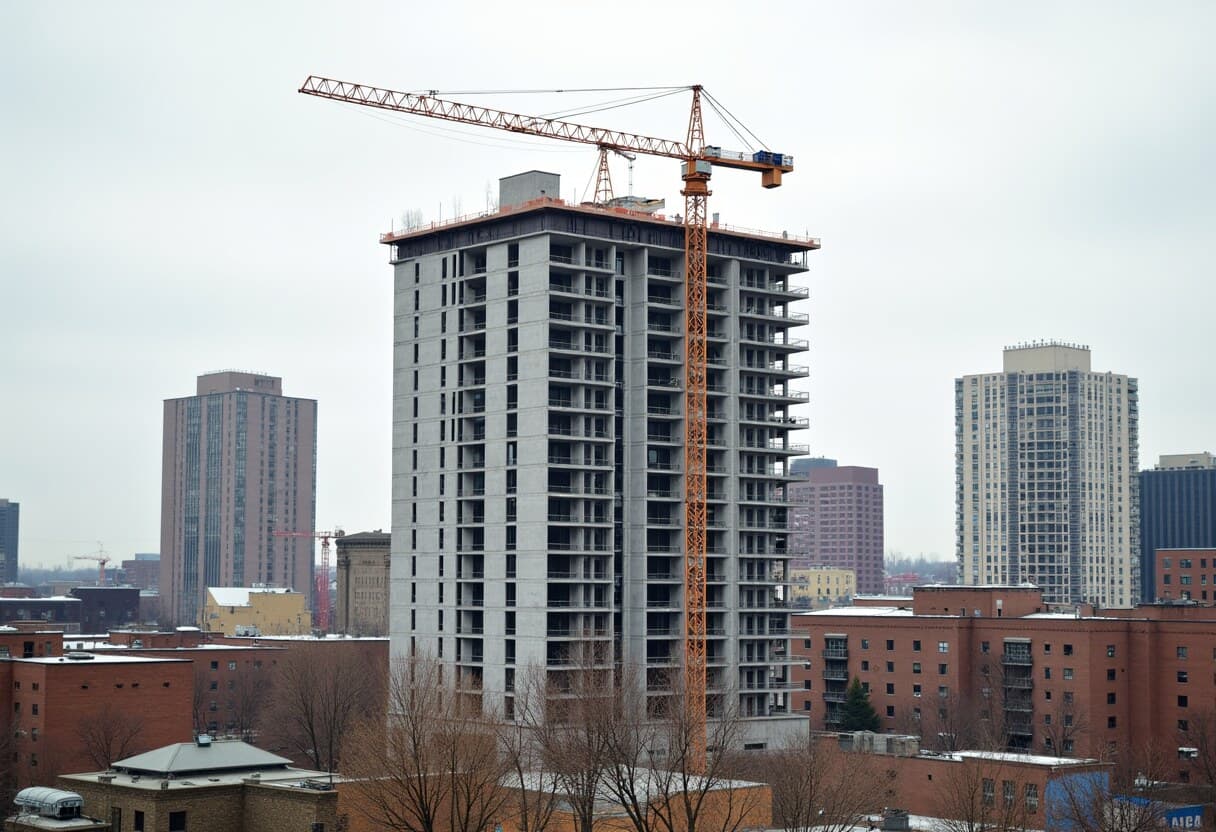
LHENA's development vision document spells out how residents want growth to land in the neighborhood.
The Lowry Hill East Neighborhood Association has published a Wedge development vision that sets out the kinds of development residents would welcome along the Lyndale and Hennepin corridors and within the neighborhood's interior blocks. The document opens by retelling the neighborhood's origins, naming Thomas Lowry, the transit leader who installed the horse-drawn streetcars that first ran through the area in the 1880s, and explaining the wedge-shaped boundaries that gave the neighborhood its nickname. It is less a regulation than a statement of preference, a way for the neighborhood to speak with one voice to developers and the city.
LHENA — the Lowry Hill East Neighborhood Association, pronounced 'Lee-Nah' — is the volunteer-led nonprofit recognized by the City of Minneapolis as the Wedge's official neighborhood organization, one of dozens across the city. Its mission is to provide a structure for neighborhood leadership and participation, to facilitate the equitable sharing of resources, and to advance a vision for the neighborhood. The published vision turns that mission into something concrete that residents, developers and city planners can all point to, alongside the action plans the association has approved at neighborhood-wide meetings over the years.
The Wedge is among the densest and fastest-changing neighborhoods in Minneapolis, and it has absorbed decades of development pressure because of its location next to Uptown, its transit access and its walkability. It sits between two commercial corridors — Hennepin, just rebuilt, and Lyndale, next in line — that the city is actively reshaping. A published vision gives the neighborhood leverage in conversations that might otherwise happen without it.
A development vision also gives the association continuity. Volunteers and board members turn over, but a document approved by the neighborhood carries forward — a reference point the next board, and the next developer, has to reckon with.
A neighborhood vision only has teeth where it meets the city's own plans. Minneapolis's citywide development framework sets the broad rules; a neighborhood document fills in the local detail and gives residents a reference when a specific project comes forward. That interplay is constant in the Wedge, where development is steady and the corridors on either side are being rebuilt. The vision lays out where the association wants density, what it wants protected, and how it wants new buildings to meet the street, entering those conversations with a position already on the table.
Neighborhood
Related stories
Neighborhood
The end is in sight for Loring Park dandelion fountain's drought
State lawmakers approved $1.8 million for Berger Fountain repairs, and Park Board crews have begun demolition at the dry Loring Park landmark.
Neighborhood
The neighborhood, in your inbox
Free. No paywall. Pick the topics you want — we send what’s happening this week.