E Coli
Every Lowry Hill News story tagged E Coli.

City
Reopened: How a Closed Beach Gets the All-Clear
A Minneapolis beach closed for high E. coli reopens only when a follow-up sample shows bacteria back within state standards, not on a fixed timetable.

Neighborhood
Service Saturdays Put Lowry Hill Neighbors to Work
Researchers at the University of Minnesota's Water Resources Center tie the region's rainier summers to more frequent E. coli spikes and beach closures on Minneapolis lakes.
City
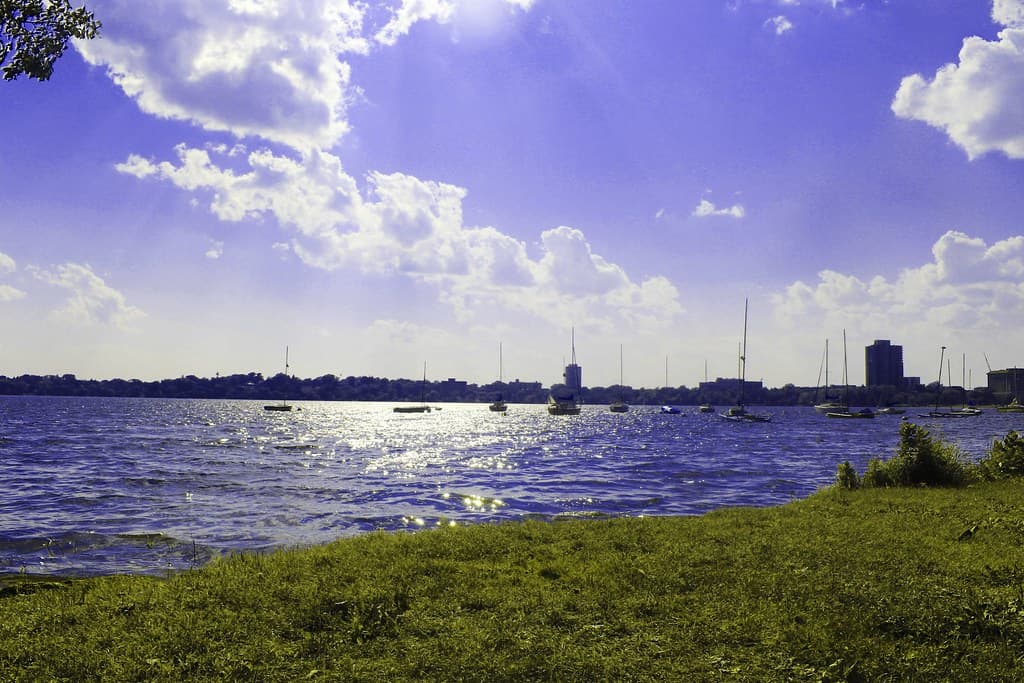
Bde Maka Ska's Reputation for Clear Water, and the Asterisk on It
Bde Maka Ska rates strong for water clarity in the Minneapolis chain, but high water and shoreline erosion have periodically dragged down its public-health score.
City
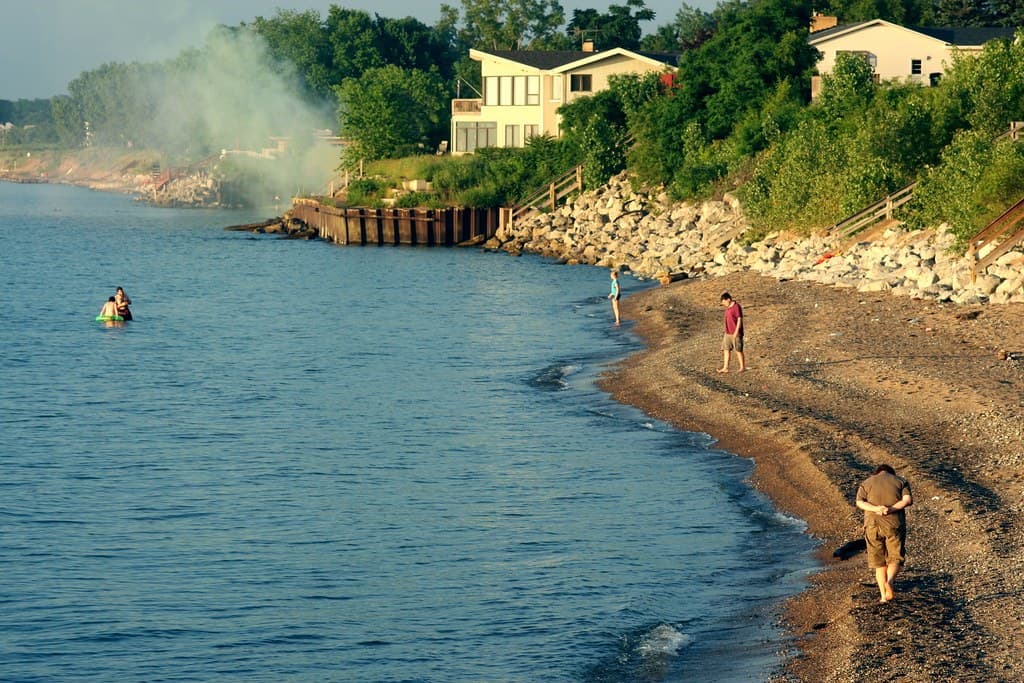
When Half the City's Beaches Close at Once
A single heavy rain can push enough E. coli into the Chain of Lakes to close several Minneapolis beaches at once, a pattern that drove a record 15 closures in 2024.

City
What the Park Board Is Actually Testing For at the Beach
The Minneapolis Park Board's lake monitoring program, launched in 1991, tests beaches weekly for E. coli and now also for blue-green algae.
Neighborhood
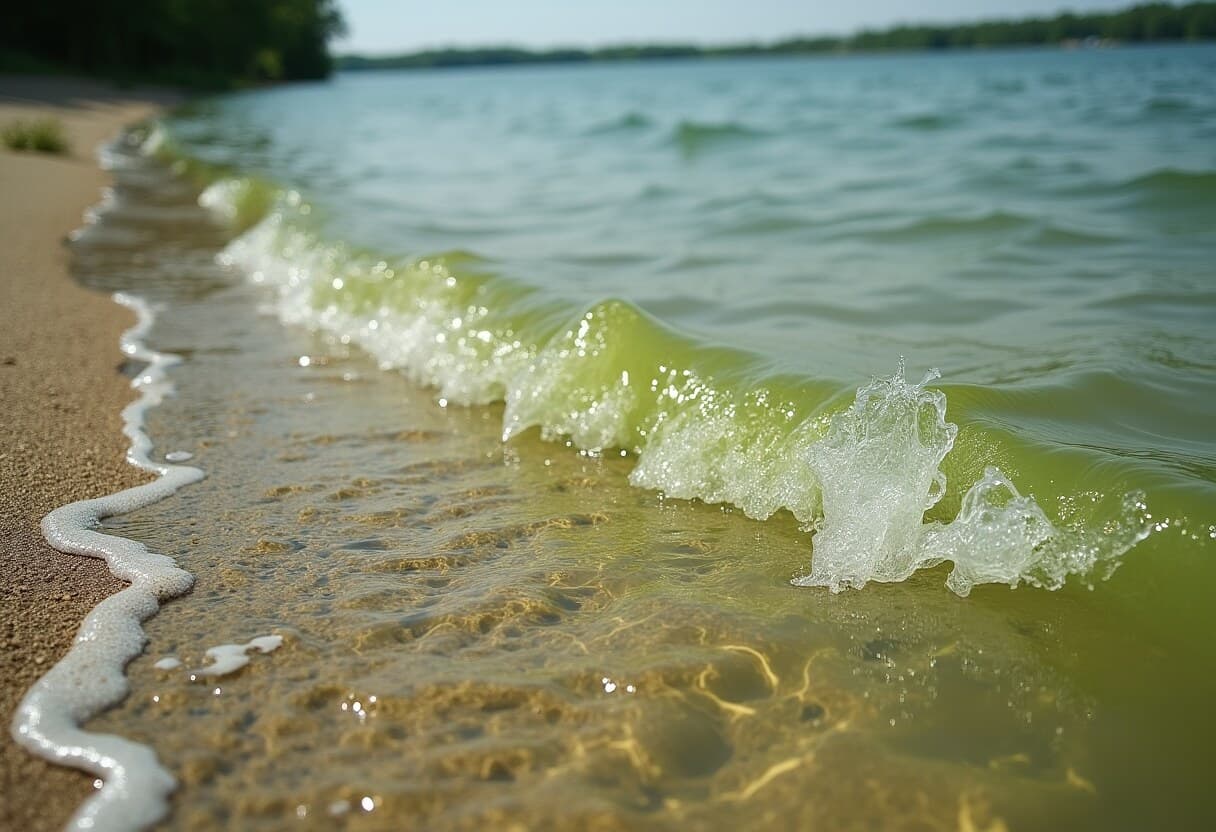
Stay Out of the Yuck: A Plain-Language Guide to Beach Bacteria
When the Minneapolis Park Board posts a beach closed, stay out of the water, and keep children and dogs away from any green scum whether or not a sign is up.

City
Bde Maka Ska's Beaches Close Again as E. coli Spikes
Routine testing pushed E. coli past state guidelines, closing swimming beaches on Bde Maka Ska.
The neighborhood, in your inbox
Free. No paywall. Pick the topics you want — we send what’s happening this week.