Minneapolis 2040
Every Lowry Hill News story tagged Minneapolis 2040.

Neighborhood
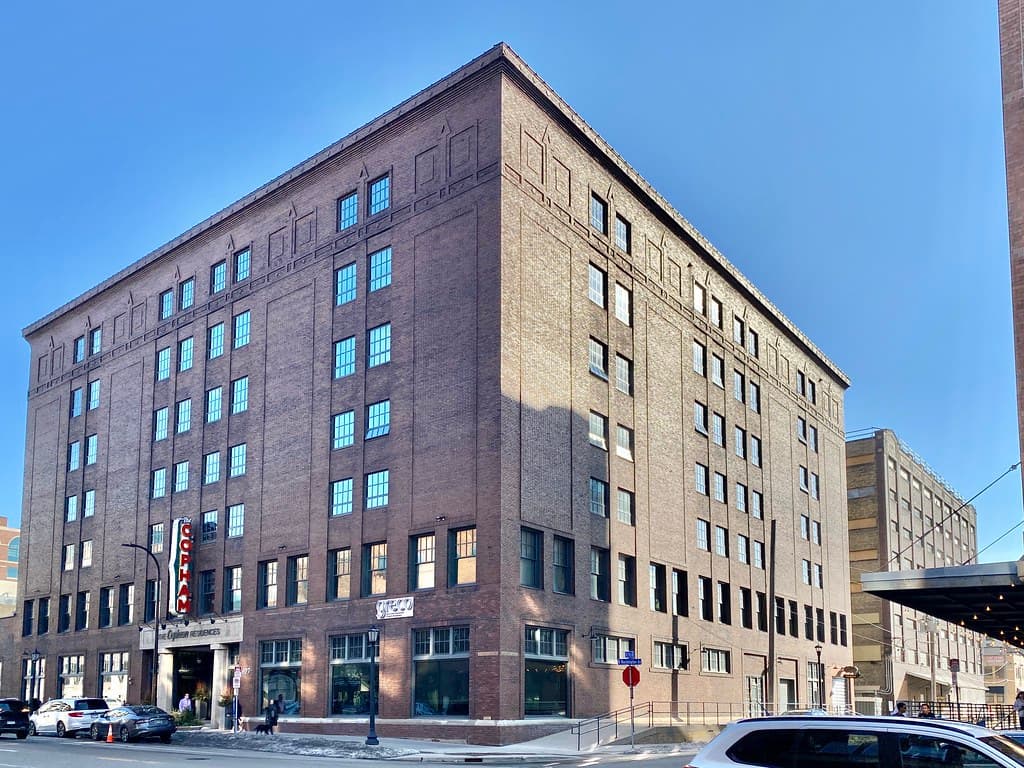
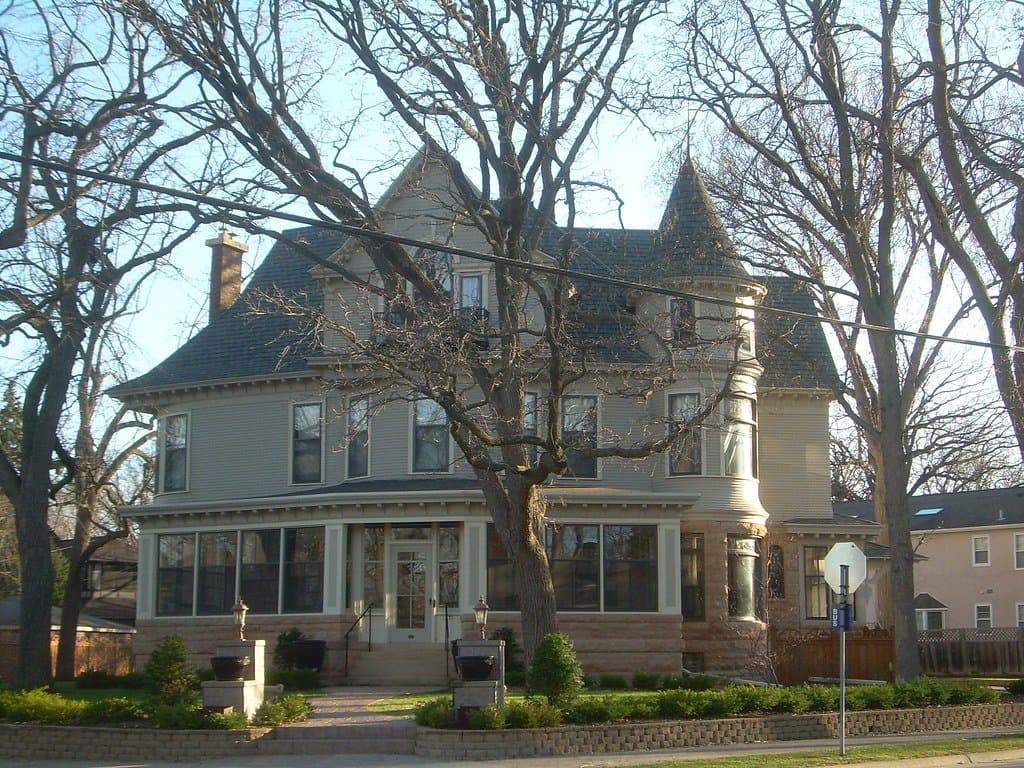
A Lowry Hill Corner Lot Becomes a Test Case for New Housing
Land use is the recurring flashpoint in Lowry Hill, a neighborhood of Victorian and Prairie-style homes where even a modest multi-unit proposal draws scrutiny under the city's built-form rules and the 2040 comprehensive plan.
Neighborhood
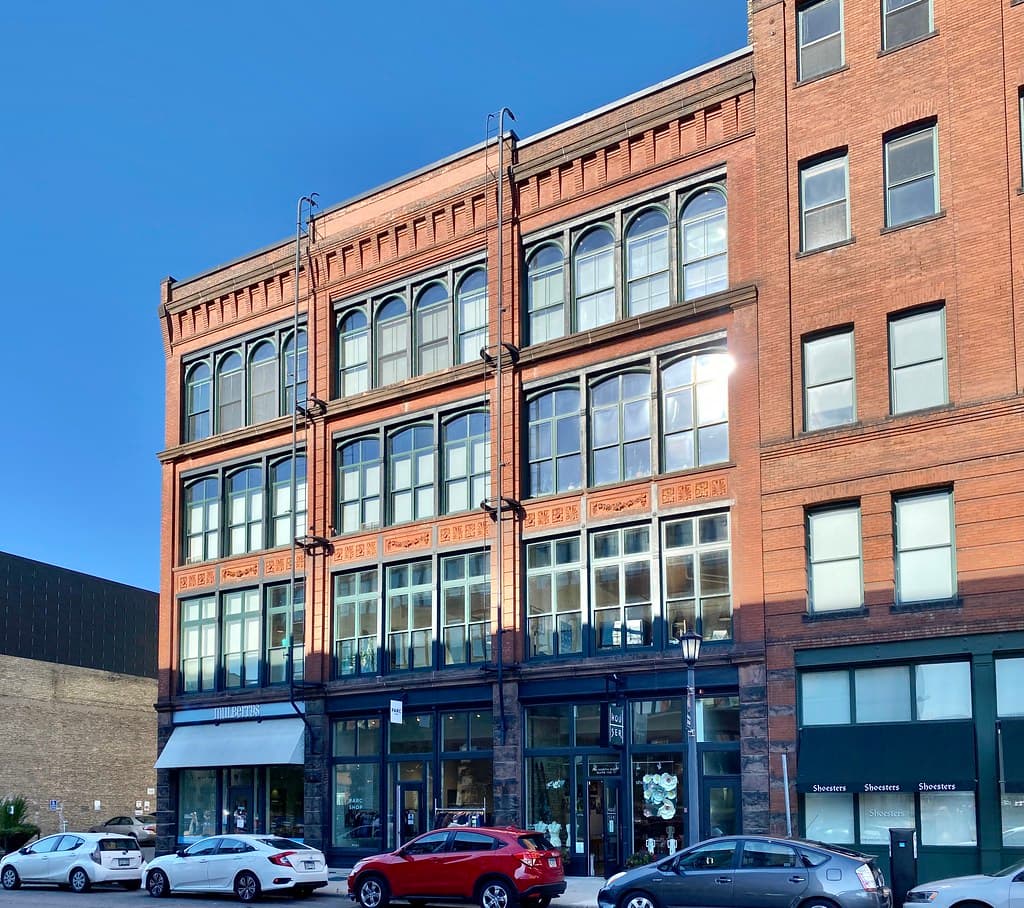
Mount Curve Condominiums and Midcentury Living on the Hill
The Mount Curve Condominiums at 1770 Bryant Ave. S., a four-story, 68-unit building finished in 1968, brought owner-occupied apartment living to a Lowry Hill block defined by turn-of-the-century mansions.
Neighborhood
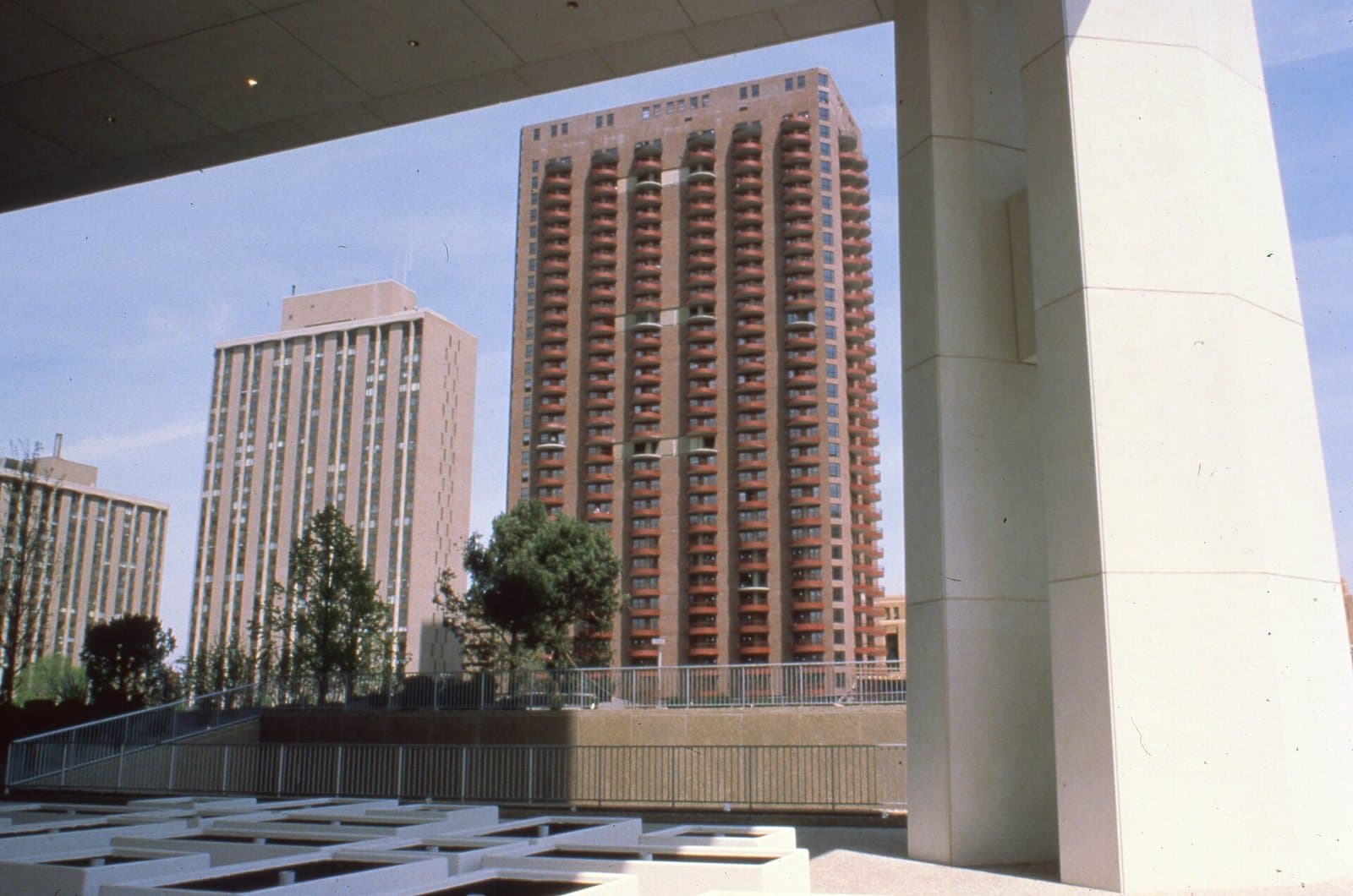
Streetcars to Apartments: How the Wedge Got Dense
The Wedge developed in the 1880s along Thomas Lowry's streetcar line, and the density it set then still defines the neighborhood.
City
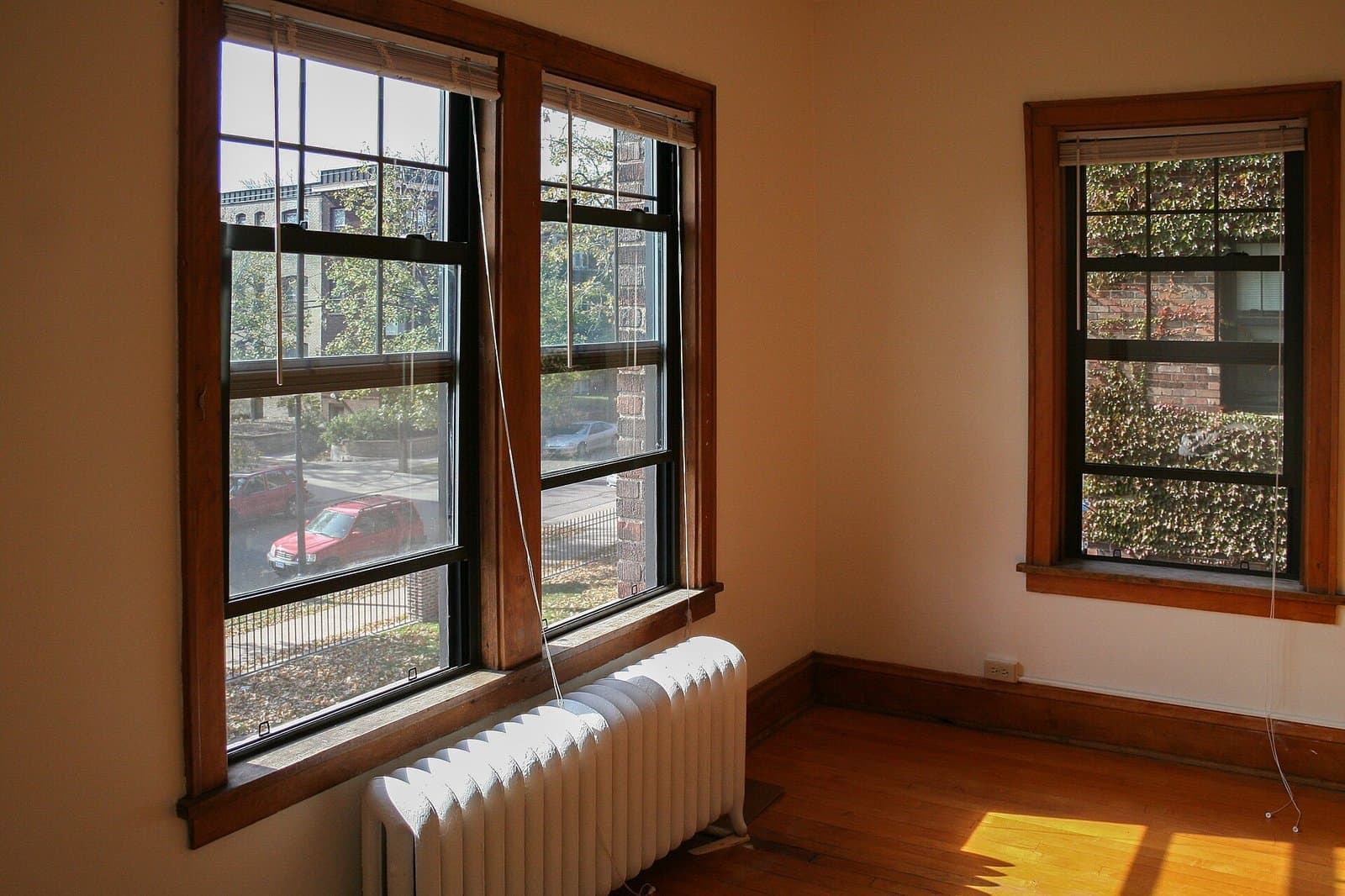
Reading a Development Proposal: A Lowry Hill Resident's Checklist
A practical guide to reading a Minneapolis development notice: what is being built, what the zoning allows, and whether a real public decision point exists.
City
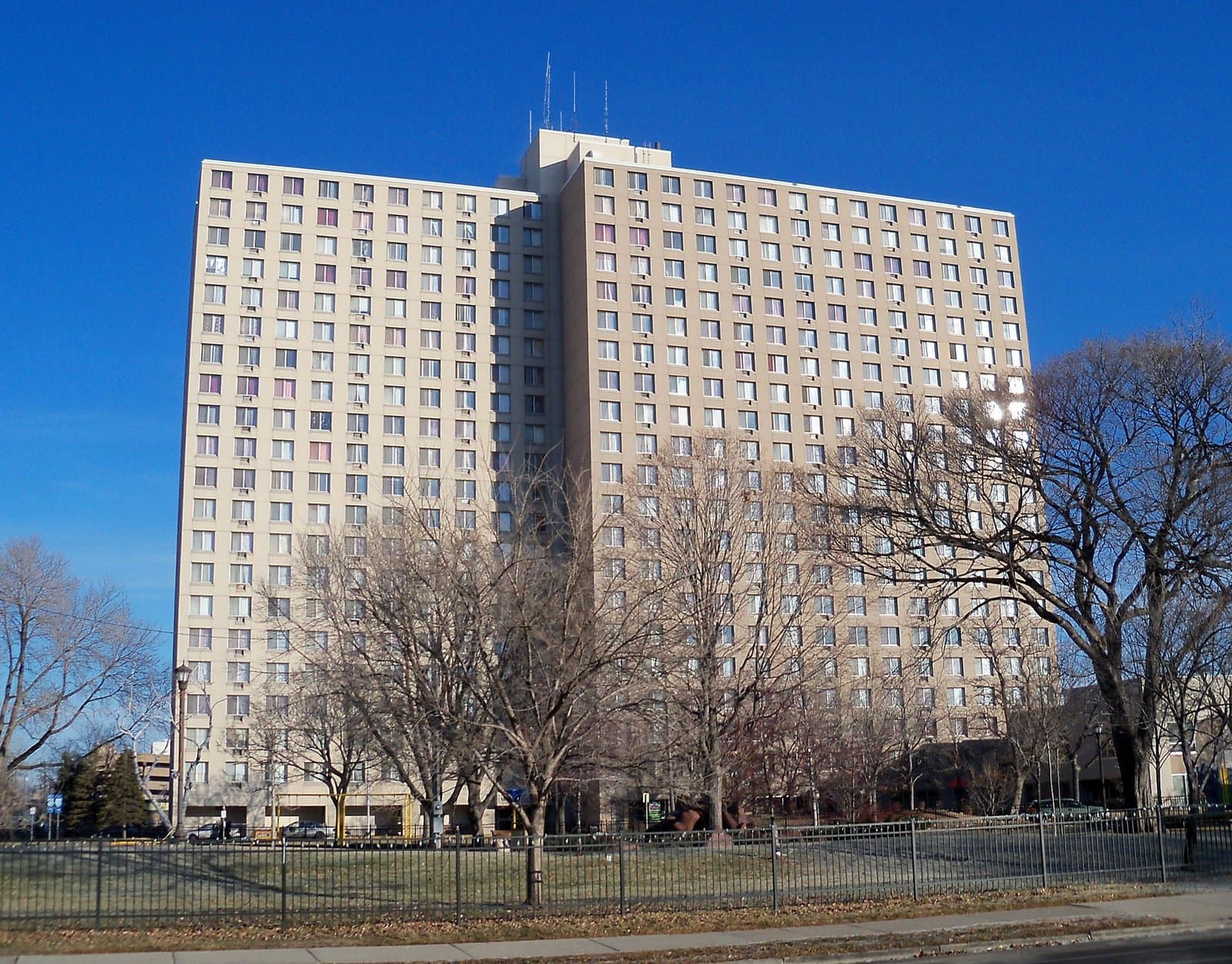
Built Form Rezoning and the Map Behind Your Block
Minneapolis's built-form districts translate the 2040 plan's growth goals into specific height and scale limits, parcel by parcel.
City
Planning vs. Zoning: How the City Decides What Gets Built
A comprehensive plan such as Minneapolis 2040 sets the city's long-range vision, while the zoning code is the binding law that decides what can be built on a given lot.
City
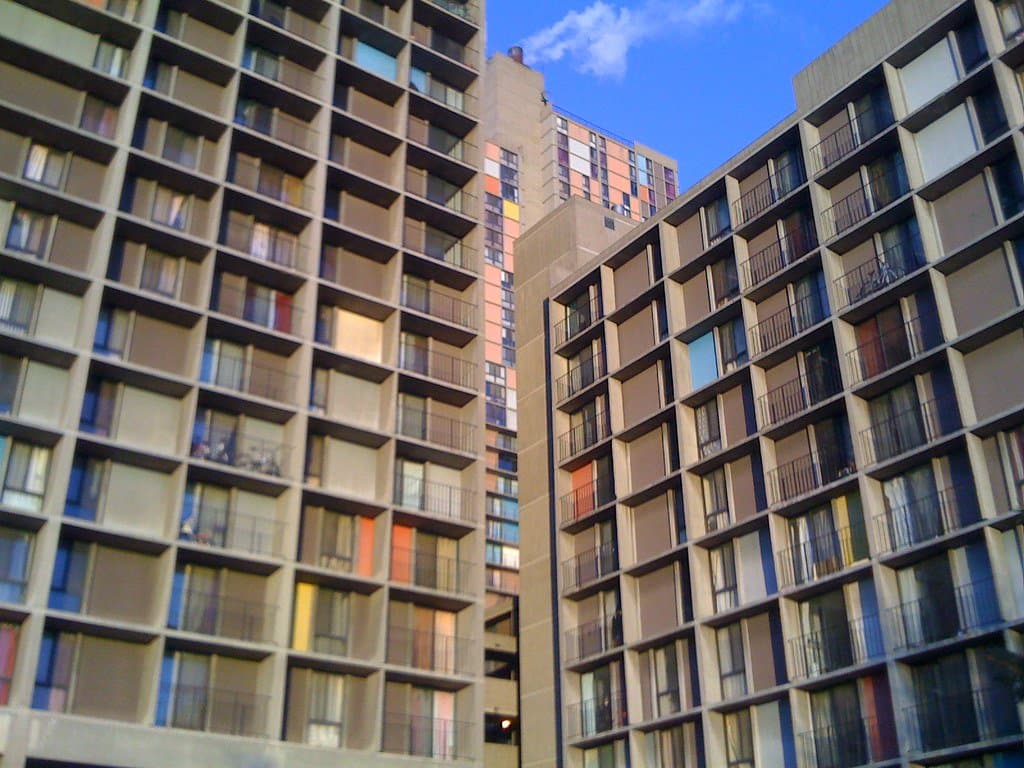
Duplexes, Triplexes and Density: What the 2040 Rules Actually Allow
The Minneapolis 2040 Plan allows duplexes and triplexes by right on residential lots and steers larger buildings toward transit corridors.

City
Stalled Housing Projects Can Move Again After the Court Ruling
After the Minnesota Court of Appeals lifted the 2040 Plan injunction in May 2024, the city resumed issuing permits for multifamily projects that had stalled in court.

City
Minneapolis Ended Single-Family-Only Zoning — and the Courts Upheld It
The city was the first major U.S. city to eliminate exclusive single-family zoning, a change tested and sustained in court.

City
Environmental Rights and Housing: The MERA Question at the Heart of the 2040 Case
Opponents argued the state environmental rights act required deeper review of the housing plan.
City
The 2040 Plan Lawsuit Ends, Clearing the Way for More Housing
After years of litigation, courts allowed the city's comprehensive plan to proceed.
The neighborhood, in your inbox
Free. No paywall. Pick the topics you want — we send what’s happening this week.