NeighborhoodEast IslesCedar-Isles-DeanLake of the Isles
Birdsong Returns as the Banks Go Native
The Minneapolis Park and Recreation Board's plan for Lake of the Isles calls for replacing eroding turf banks with native sedges and grasses, work meant to hold soil, filter runoff and return wildlife to the shoreline.
The Cedar-Isles master plan, which the Park Board developed with the City of Minneapolis and the Minnehaha Creek Watershed District, sets a native-shoreline default for the chain and names wildlife habitat among the things it is meant to protect. The clearest example so far is the channel between Lake of the Isles and Cedar Lake: facing failing wood retaining walls, the Park Board approved a roughly $1 million rehabilitation, funded through the state's Parks and Trails Legacy Fund, that replaced the hard walls with stone, soil and native plants beginning in fall 2021.
The ecological logic is that a mowed lawn running to the waterline offers cover, food and nesting sites to almost nothing, while deep-rooted natives provide all three. The same plants that anchor the bank and filter runoff also feed pollinators and shelter birds, so a restored bay improves water quality and the living community at the edge at once. The trade-off is a shaggier shoreline in exchange for steadier banks and far less mowing, fertilizer and irrigation.
The water-quality payoff is the part that gets measured. The U.S. Environmental Protection Agency credits restoration work done on the Chain of Lakes in the 1990s with keeping about 600 pounds of phosphorus a year out of the water. The Star Tribune reported that Cedar Lake's phosphorus levels are back near natural levels, with Lake of the Isles, Bde Maka Ska and Lake Harriet close behind, part of a turnaround that lifted the chain to a "C" grade the paper called "a triumph of environmental restoration".
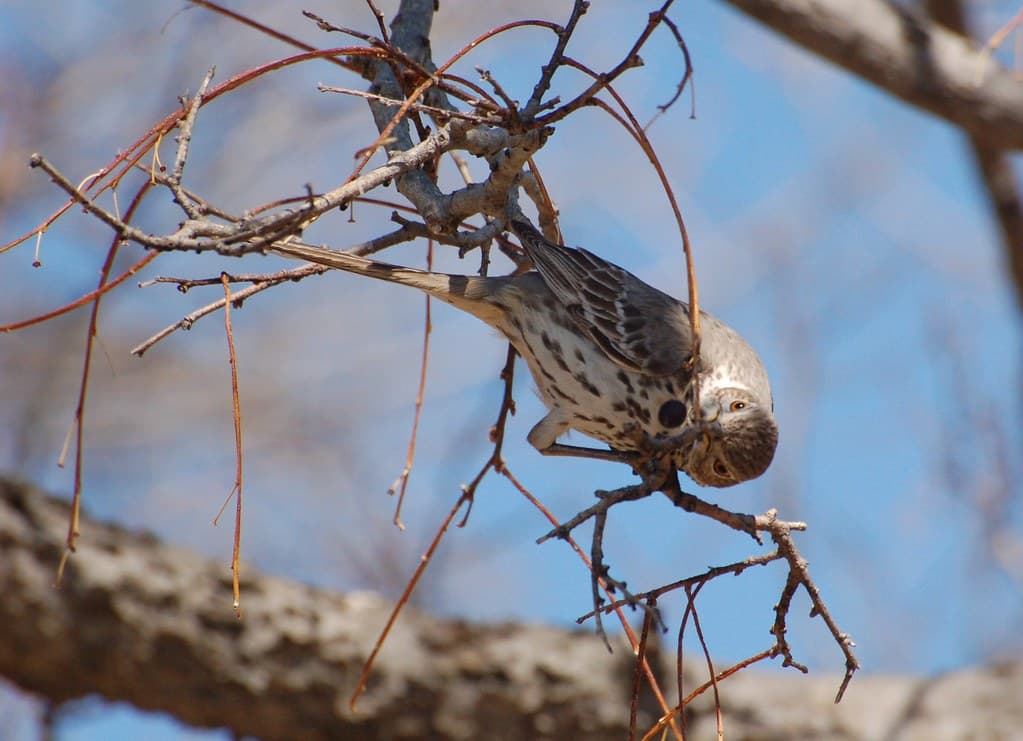
For walkers on the loop, the most accessible sign of the change is sound. Where there was clipped, silent turf, a restored edge draws insects and the birds that feed on them. As more bays convert from lawn to native shoreline over the plan's long horizon, that difference is likely to spread along the water.
NeighborhoodEast IslesCedar-Isles-DeanLake of the Isles
Related stories
Neighborhood
The end is in sight for Loring Park dandelion fountain's drought
State lawmakers approved $1.8 million for Berger Fountain repairs, and Park Board crews have begun demolition at the dry Loring Park landmark.
Neighborhood
The neighborhood, in your inbox
Free. No paywall. Pick the topics you want — we send what’s happening this week.