Water Quality
Every Lowry Hill News story tagged Water Quality.

Neighborhood
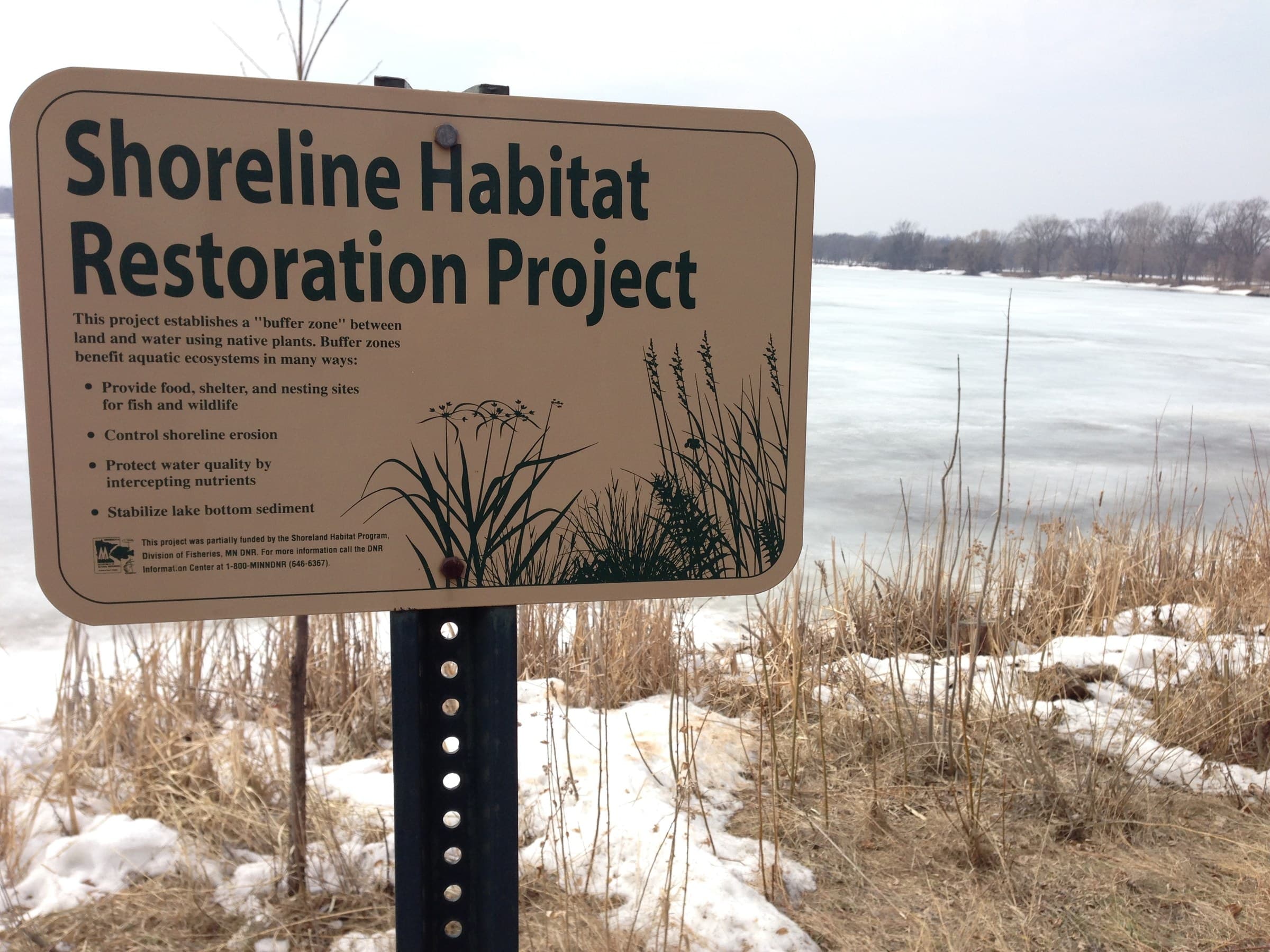
Birdsong Returns as the Banks Go Native
The Minneapolis Park and Recreation Board's plan for Lake of the Isles calls for replacing eroding turf banks with native sedges and grasses, work meant to hold soil, filter runoff and return wildlife to the shoreline.

City
Reduce the Chloride: The Winter Salt Problem Nobody Talks About
Road salt spread on streets and sidewalks in winter washes into the Chain of Lakes and stays there, because chloride does not break down once it dissolves.
Neighborhood
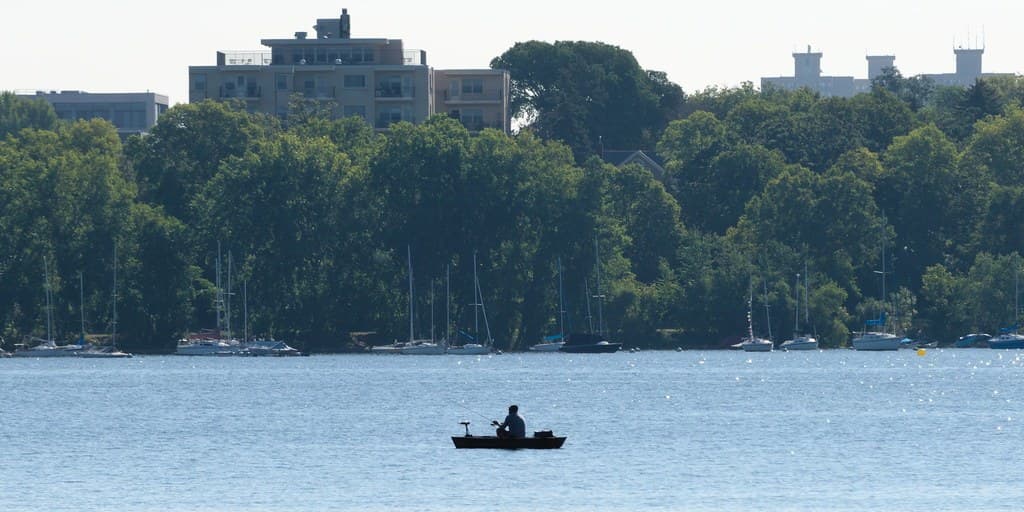
Fishing the Isles Without Leaving the Neighborhood
Lake of the Isles holds bluegill, crappie, largemouth bass and northern pike, and decades of restoration that cleared the Chain of Lakes have made the urban fishing better.
City
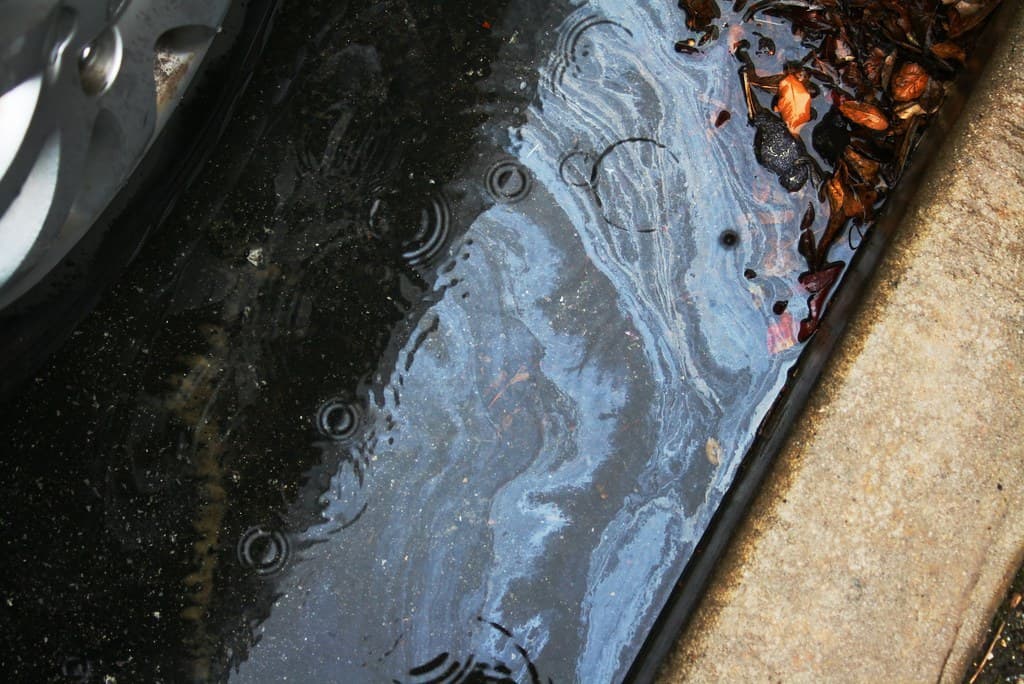
Address the Runoff From All Hard Surfaces
The Park Board treats stormwater running off streets and rooftops as the main threat to Lake of the Isles and the Chain of Lakes.

Neighborhood
The Drain Adopter: One Resident's Quiet Crusade
Minneapolis residents can adopt a storm drain and keep leaves and trash out of the water that flows to Lake of the Isles.
City
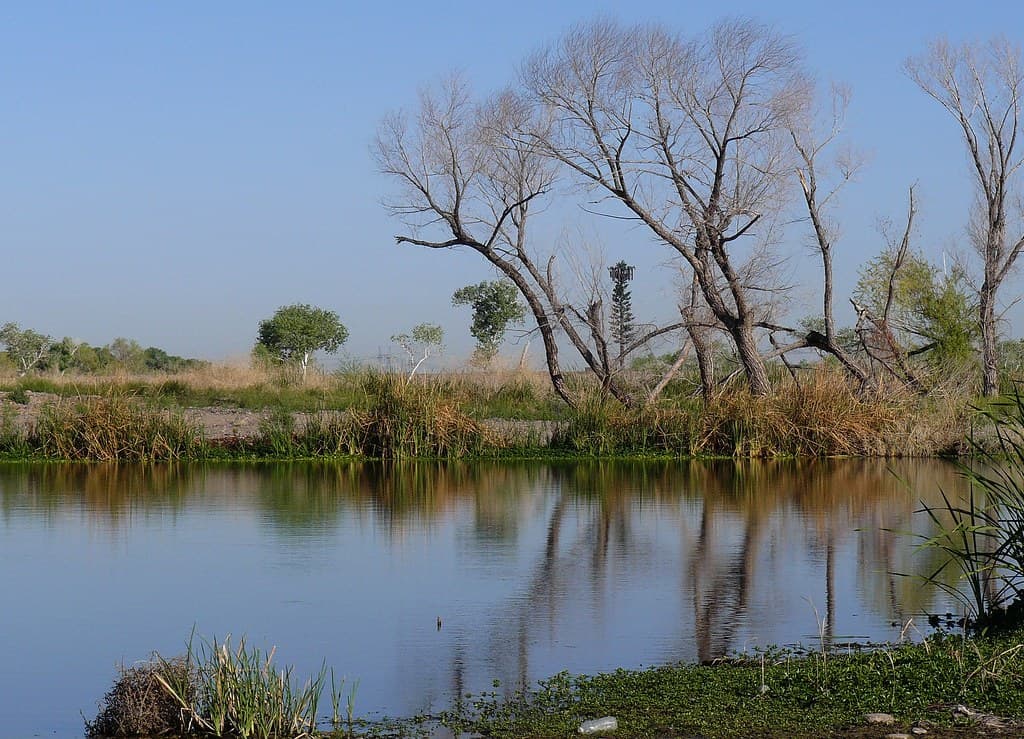
Grit Chambers and Constructed Wetlands: The Lake's Hidden Plumbing
Grit chambers and treatment wetlands strip sediment and pollutants from stormwater before it reaches Cedar Lake and Lake of the Isles.
City
The Nation's Largest Urban Lake Restoration, in Our Backyard
The cleanup of the Minneapolis Chain of Lakes, carried out over decades by a multi-agency partnership, has been described as the nation's largest urban lake restoration.

City
Seven Million Visitors, One Fragile Watershed
The Minneapolis Chain of Lakes drew nearly 6.9 million visits in 2024, the most of any regional park in the Twin Cities, and that volume is the central challenge in keeping the water clean.

Neighborhood
Adopt-a-Drain Campaign Gains Ground on the Hill
More than 4,100 Minneapolis residents have adopted roughly 8,300 storm drains through the city's Adopt-a-Drain program, part of a statewide effort that cleared its one-millionth pound of debris in November 2025.
Neighborhood
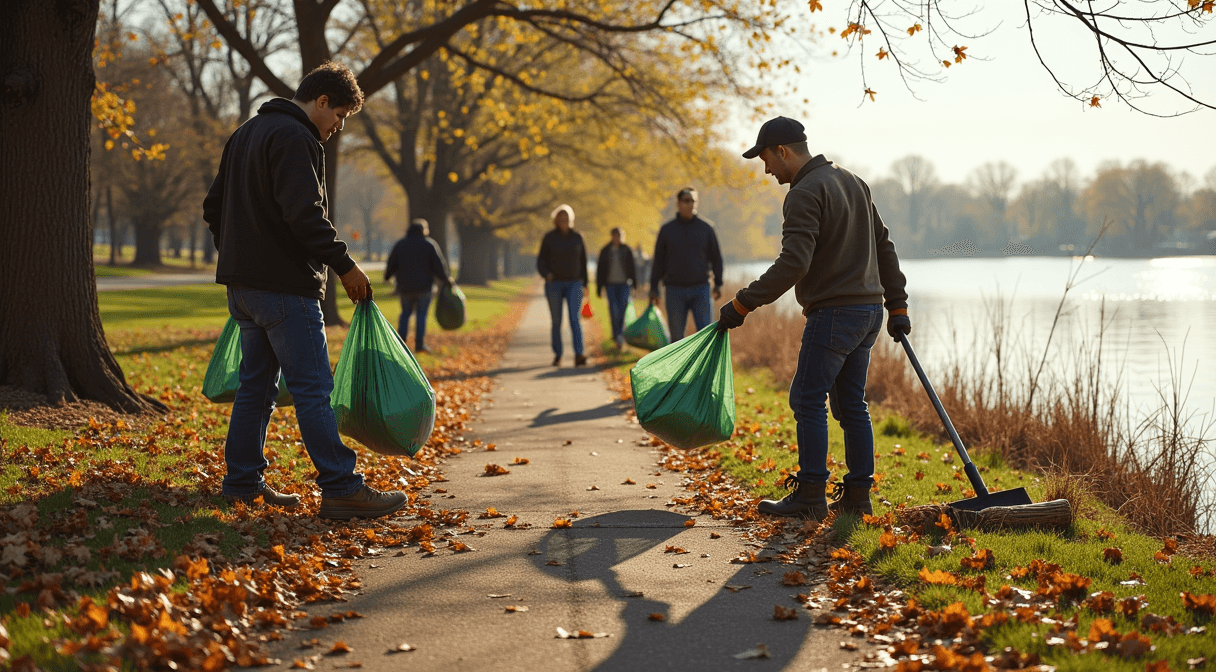
Service Saturdays Put Lowry Hill Neighbors to Work
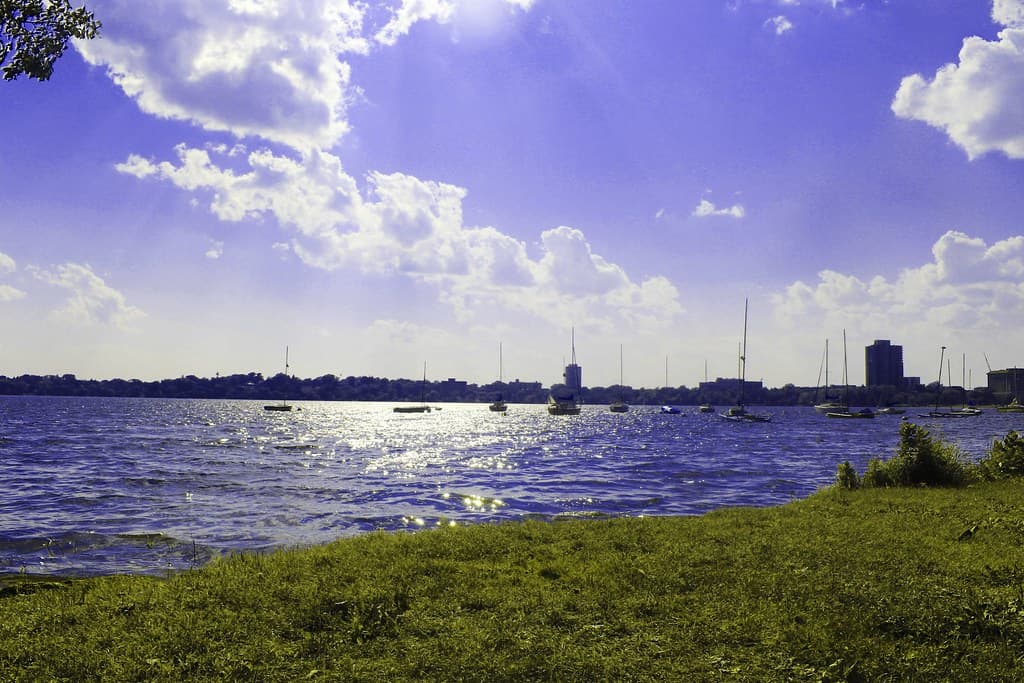
Researchers at the University of Minnesota's Water Resources Center tie the region's rainier summers to more frequent E. coli spikes and beach closures on Minneapolis lakes.
City
Bde Maka Ska's Reputation for Clear Water, and the Asterisk on It
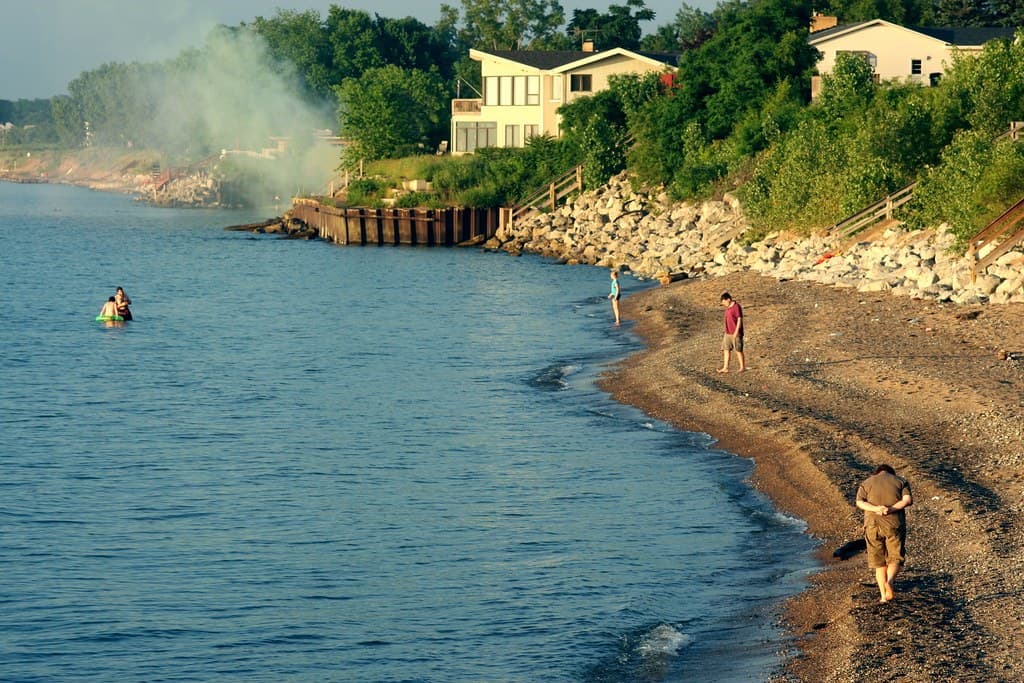
Bde Maka Ska rates strong for water clarity in the Minneapolis chain, but high water and shoreline erosion have periodically dragged down its public-health score.
City
When Half the City's Beaches Close at Once
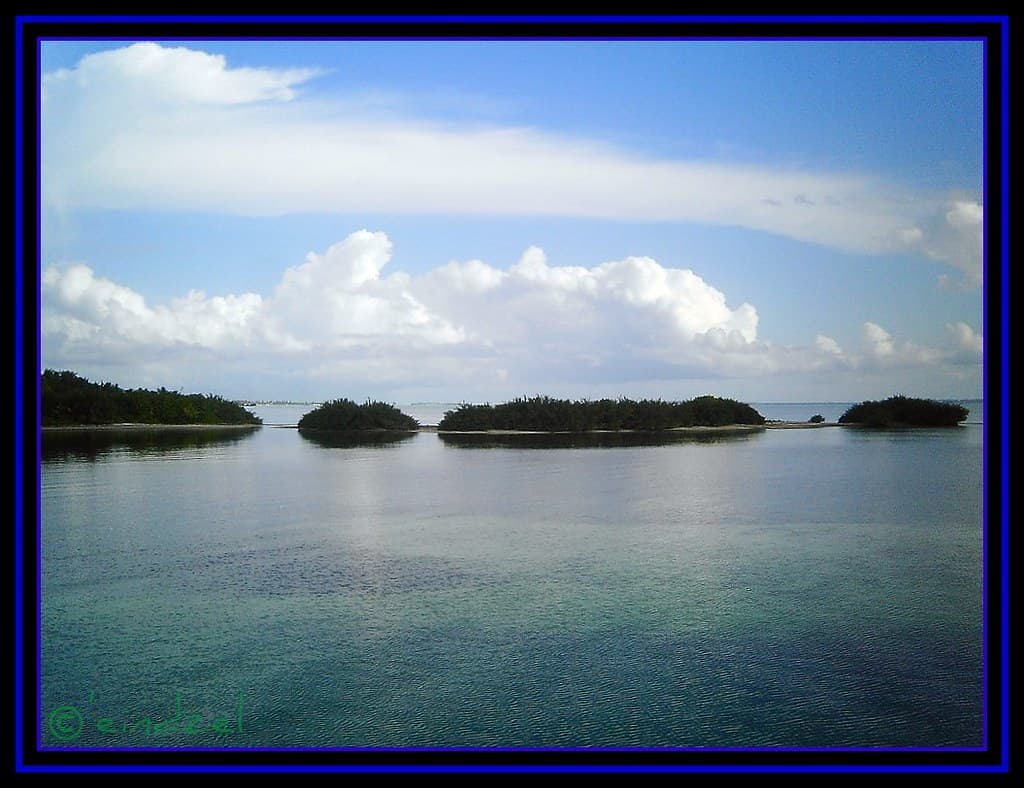
A single heavy rain can push enough E. coli into the Chain of Lakes to close several Minneapolis beaches at once, a pattern that drove a record 15 closures in 2024.

City
Bde Maka Ska's Beaches Close Again as E. coli Spikes
Routine testing pushed E. coli past state guidelines, closing swimming beaches on Bde Maka Ska.
City
Reading the Water: How a 'C' Grade Became a Point of Pride
When the Minneapolis chain earned C's on a water-quality report card, scientists called it a quiet triumph.

City
An Alum Treatment, Explained for the Person Standing on the Dock
One of the lake's most important water-quality tools is invisible, sinks to the bottom, and works by chemistry.

City
Park Board outlines 2025 water-quality work for Lake of the Isles
At a neighborhood meeting, Park Board staff laid out aquatic-plant harvesting and water-quality plans for the lake.
Events
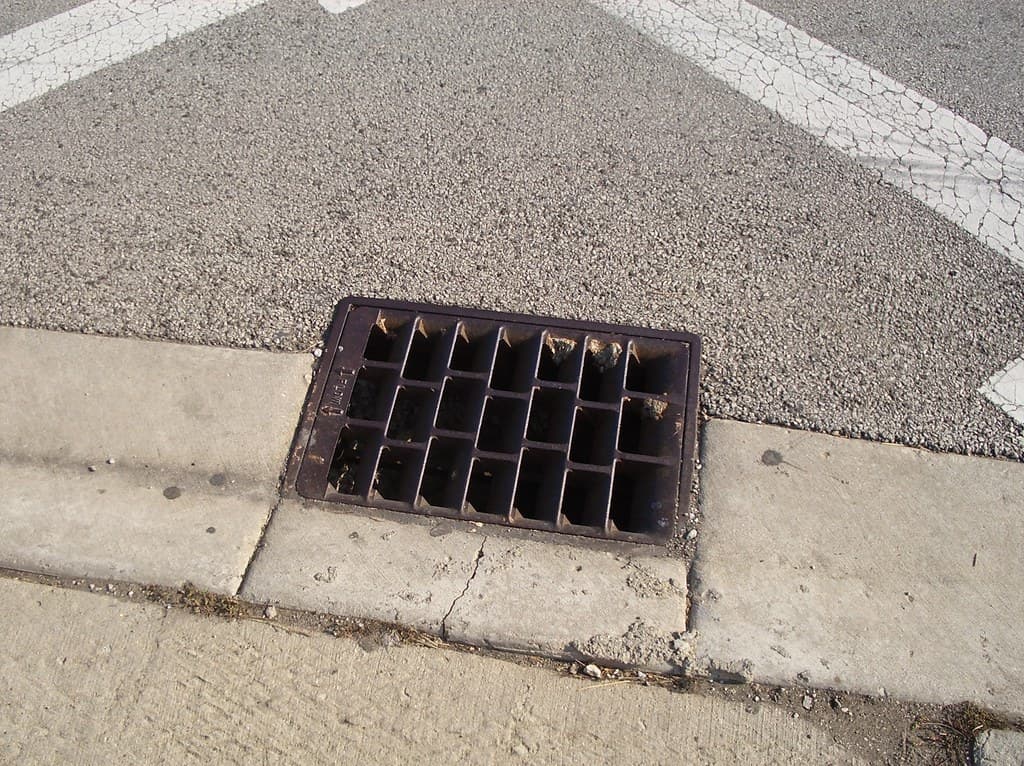
Adopt-a-Drain Drive Asks Neighbors to Claim a Storm Grate
A small commitment keeps debris out of the lakes downhill.
The neighborhood, in your inbox
Free. No paywall. Pick the topics you want — we send what’s happening this week.