Mount Curve Avenue
Every Lowry Hill News story tagged Mount Curve Avenue.
Neighborhood
Renaissance Revival, Italian Renaissance and the Styles of the Hill
A few blocks of Mount Curve Avenue in Lowry Hill hold a working catalog of how wealthy Minneapolis built between 1900 and 1910, from Renaissance Revival to Prairie School.
Neighborhood
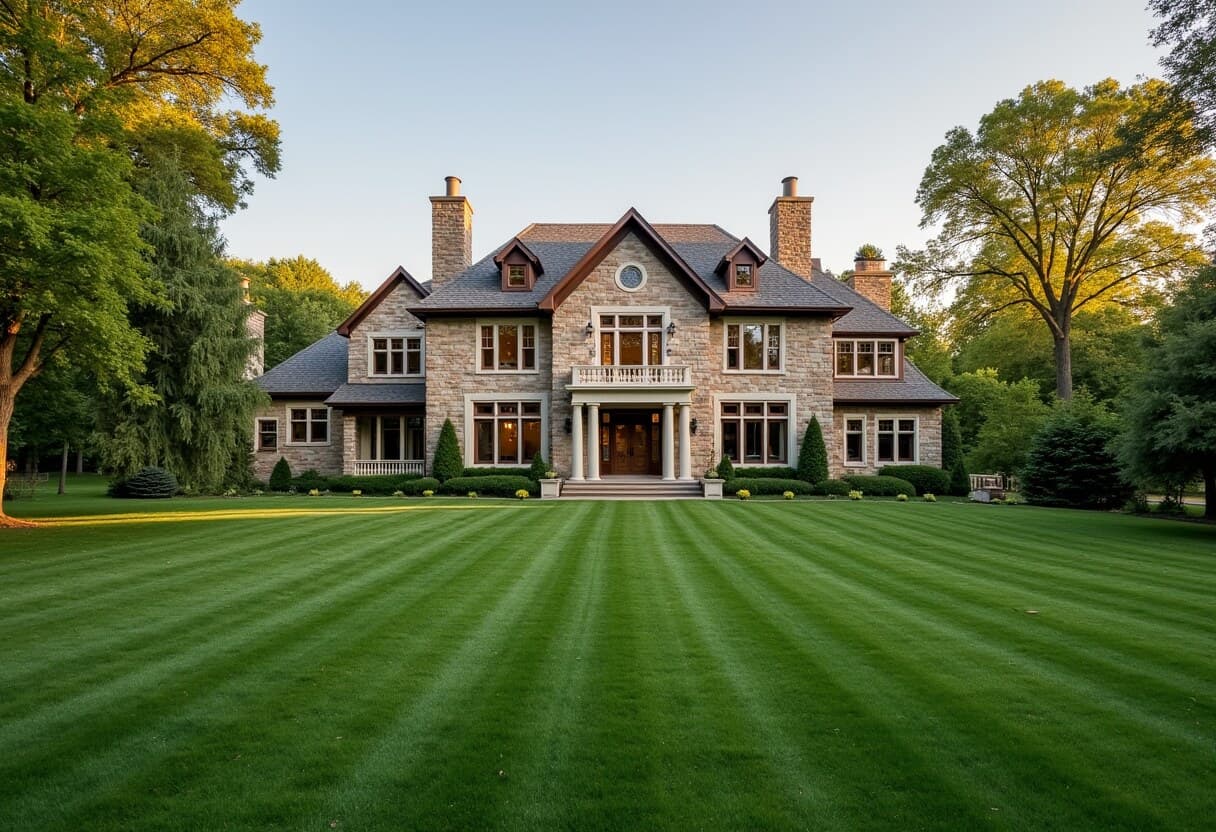
Why Lowry Hill Tops the City's Most-Upscale Lists
Lowry Hill's standing as one of Minneapolis's costliest neighborhoods traces to a streetcar-era boom that filled the ridge with mansions, most of which still stand.
Neighborhood
Charles Gluek's 1906 Italian Renaissance House on Mount Curve
A 1906 yellow-brick mansion on Mount Curve Avenue, built for brewer Charles Gluek, is one of Lowry Hill's better-preserved examples of Italian Renaissance design.
Neighborhood
Groveland Terrace, the Quiet Companion to Mount Curve
Groveland Terrace shared in the Lowry Hill real-estate boom of the 1890s and early 1900s, lined with grand houses built to the same standard as neighboring Mount Curve Avenue.

Crime
Lowry Hill Blotter: A Quiet Week With Two Converter Thefts
A block-level summary of recent property-crime reports in Lowry Hill, drawn from Minneapolis Police 5th Precinct incident data.
Neighborhood
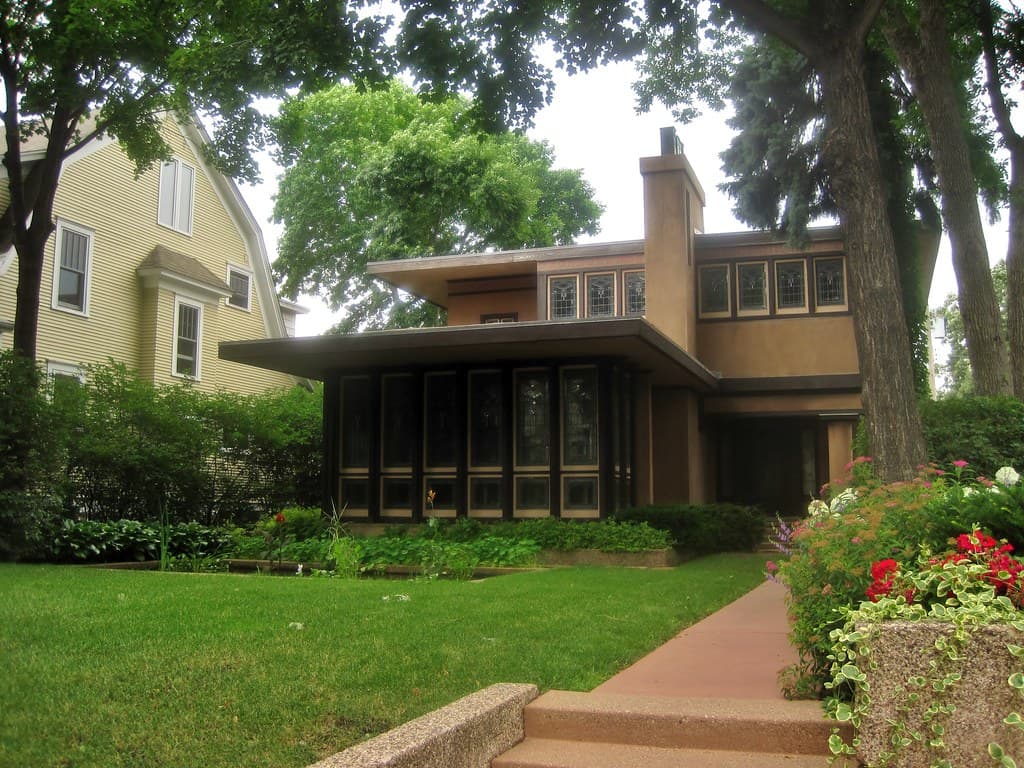
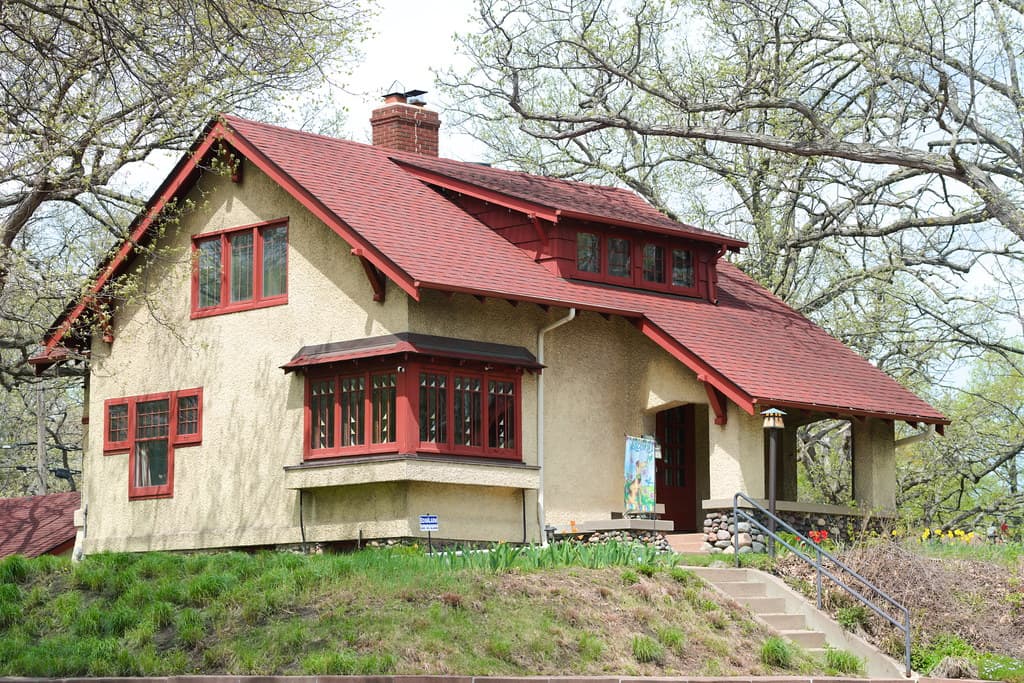
A George Maher Mansion and the Prairie School on Lowry Hill
A 1910 Prairie School mansion designed by architect George W. Maher stands at 1324 Mount Curve Ave. on Lowry Hill, among a ridge of European revival houses.
Neighborhood
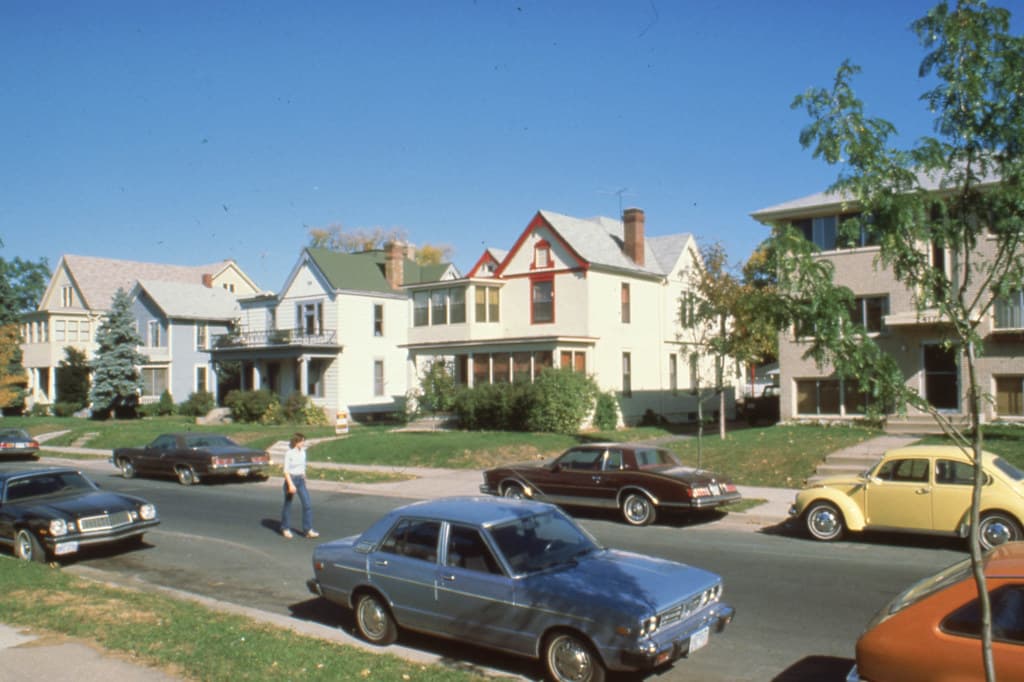
Broad Lawns and Boulevard Trees: The Look of Lowry Hill
Lowry Hill's streetscape of broad lawns, boulevard trees and well-spaced houses was set by 1900, when the streetcar boom filled the ridge with the homes of the wealthy.
Neighborhood
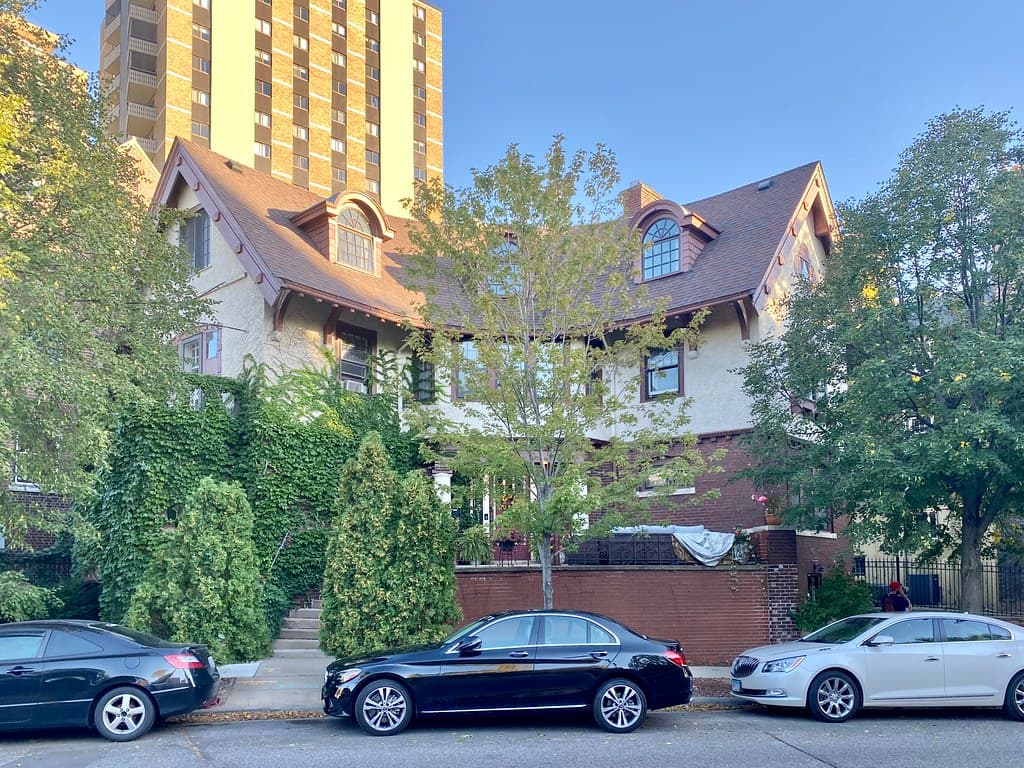
The Donaldson Mansion, a 1906 Arts and Crafts Survivor
Built for a member of the Donaldson department-store family, the nearly 9,600-square-foot house is one of Lowry Hill's finest.
Crime
Burglars Enter a Mount Curve Home Through a Rear Window
A home on the 1600 block of Mount Curve Avenue was entered through a rear window while empty.
Neighborhood
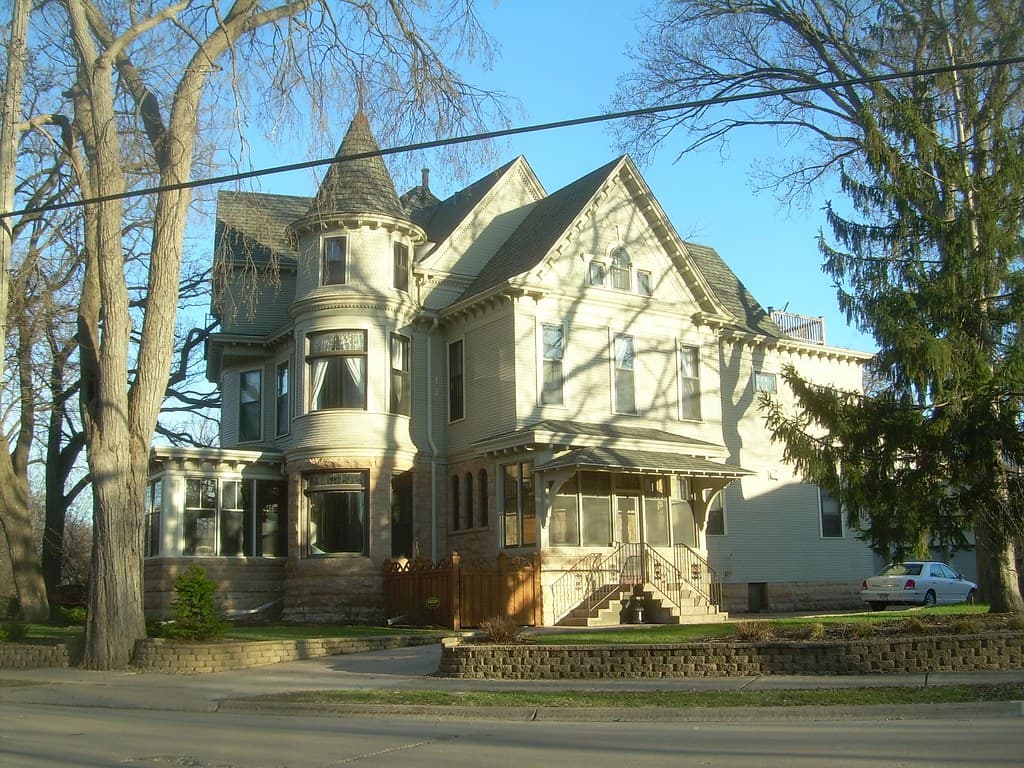
Meet Your Neighbor: A Mount Curve Steward Keeps a 1906 House Standing
Owners of the century-old houses along Mount Curve Avenue describe their role as stewardship, and the Lowry Hill Neighborhood Association documents the homes they maintain.
Crime
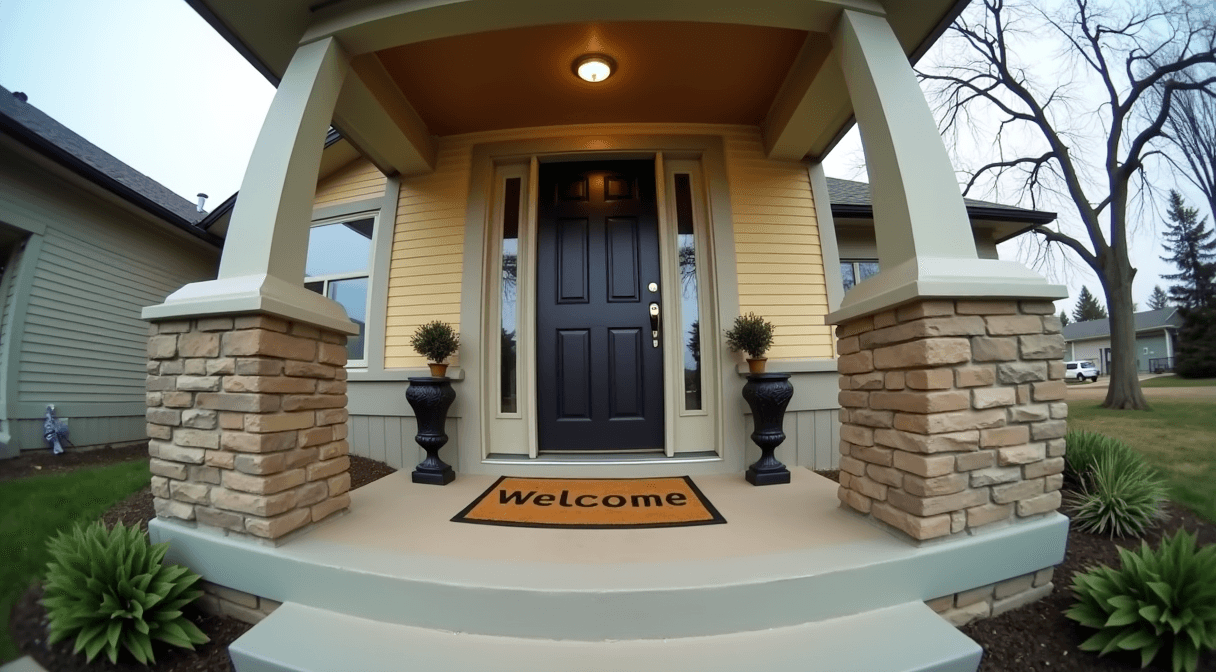
Doorbell Camera Catches Porch Package Theft on Mount Curve
A daytime grab on the 1600 block of Mount Curve Avenue was caught on a homeowner's camera.
Neighborhood
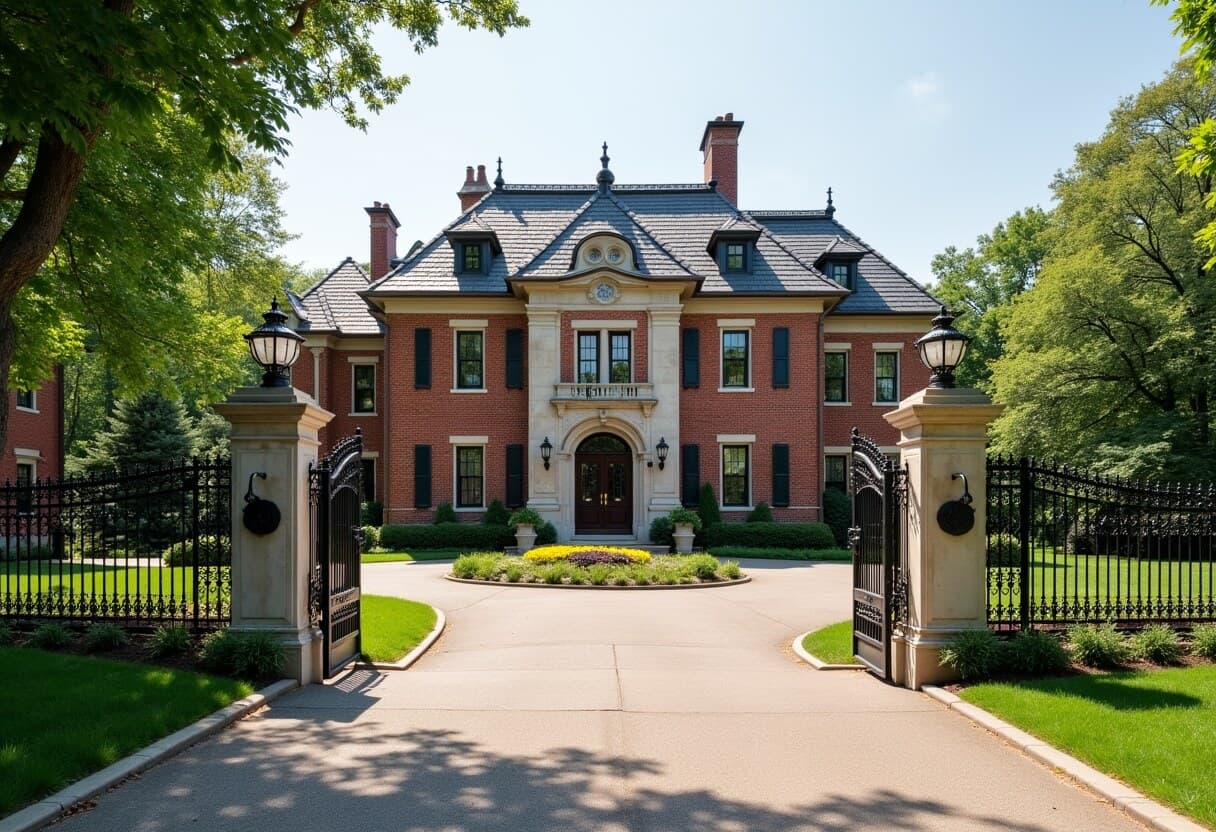
Inside the Charles J. Martin House, Lowry Hill's Landmark on the Hilltop
The 1903 Renaissance Revival mansion at 1300 Mount Curve sits on nearly an acre at the highest point in Minneapolis.
Neighborhood
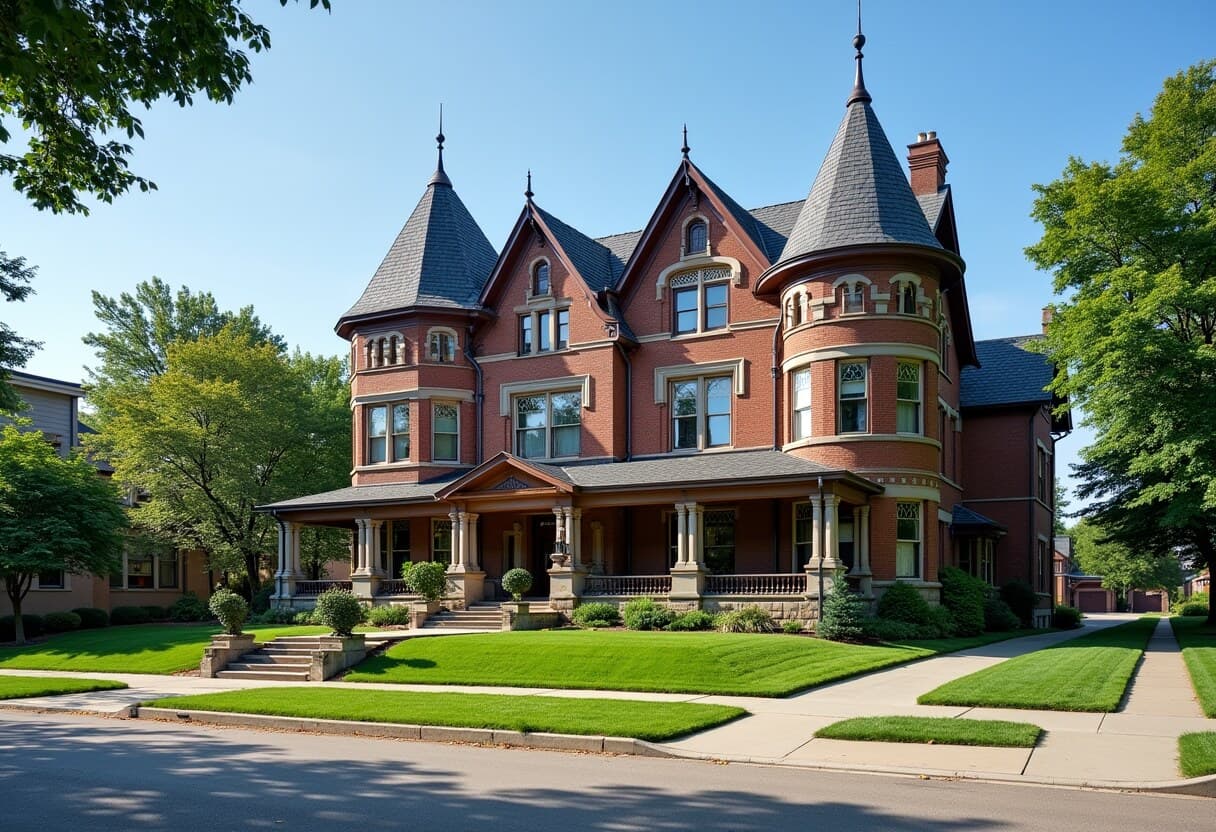
Mount Curve Avenue's Mansion Row Still Crowns the Hill
More than a century after lumber barons built their estates along the ridge, Mount Curve Avenue remains the architectural spine of Lowry Hill.
The neighborhood, in your inbox
Free. No paywall. Pick the topics you want — we send what’s happening this week.