Walker Art Center
Every Lowry Hill News story tagged Walker Art Center.
Events
The Sculpture Garden Is Open, Free, and Made for a Summer Stroll
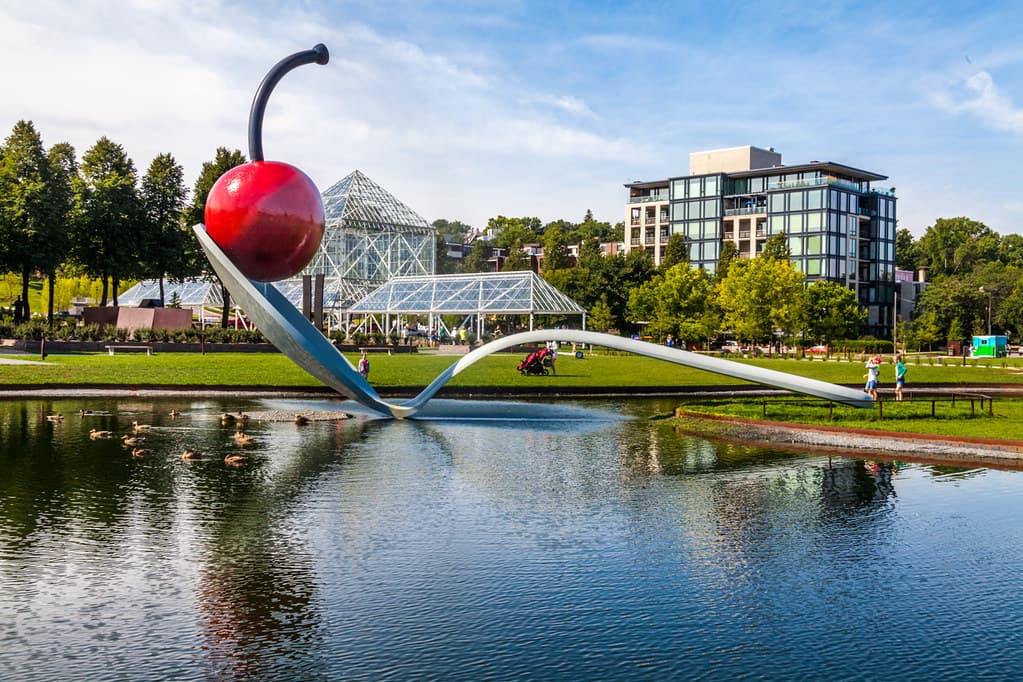
The Minneapolis Sculpture Garden's 11 acres and more than 40 works, including Spoonbridge and Cherry, are open year-round at no charge.
Neighborhood
How the Garden Became a Top Stop for Visitors to the State
The free Minneapolis Sculpture Garden at the foot of Lowry Hill draws visitors from across the region to a park many neighbors treat as routine.
Opinion
The Case for Treating the Walker as a Public Square
Opinion: The Walker Art Center gives away enough access — a free, year-round sculpture garden and regular no-cost gallery hours — that Lowry Hill can reasonably treat it as shared civic space, not an occasional splurge.
Neighborhood
Design Has a Permanent Seat at the Walker's Table
The Walker Art Center has treated graphic and industrial design as collectible art since its founding, a stance that dates to its first director and runs through its current in-house design studio.

Neighborhood
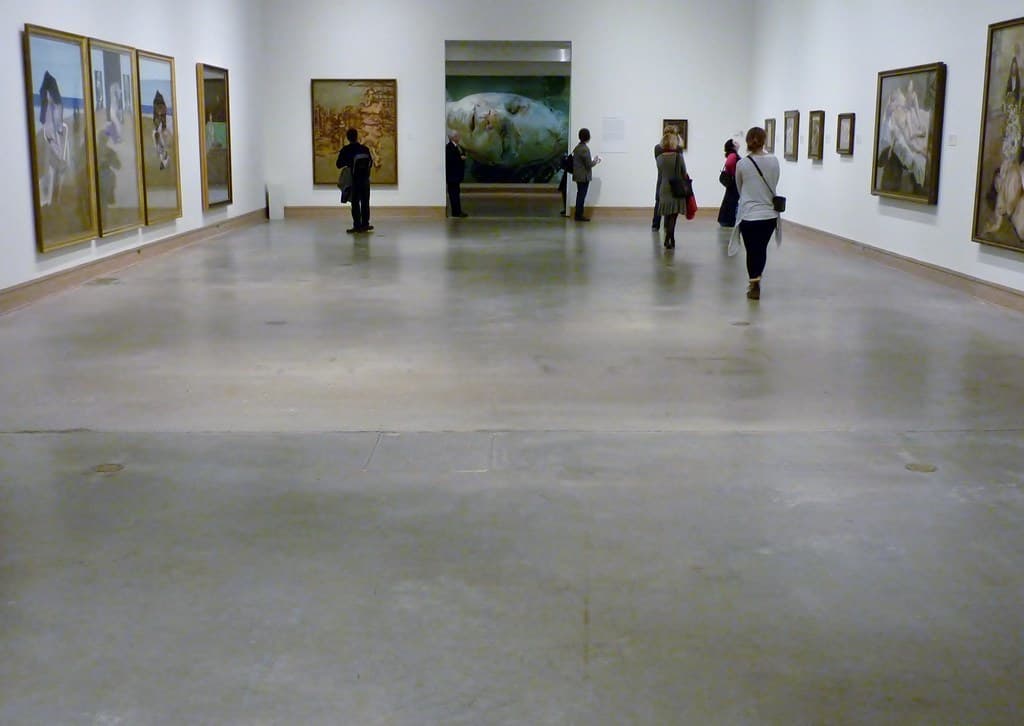
Walker's 'Show & Tell' Invites Lowry Hill Kids to Play With Art
The Walker Art Center's "Show & Tell: An Exhibition for Kids" runs through April 5, 2026, turning a set of galleries into a hands-on space built for children.
Neighborhood
The Walker Bets on Emerging Artists Alongside the Famous Names
The Walker Art Center regularly gives gallery space to artists the wider public has not caught up to, hanging their work in the same seasons as established names.

Events
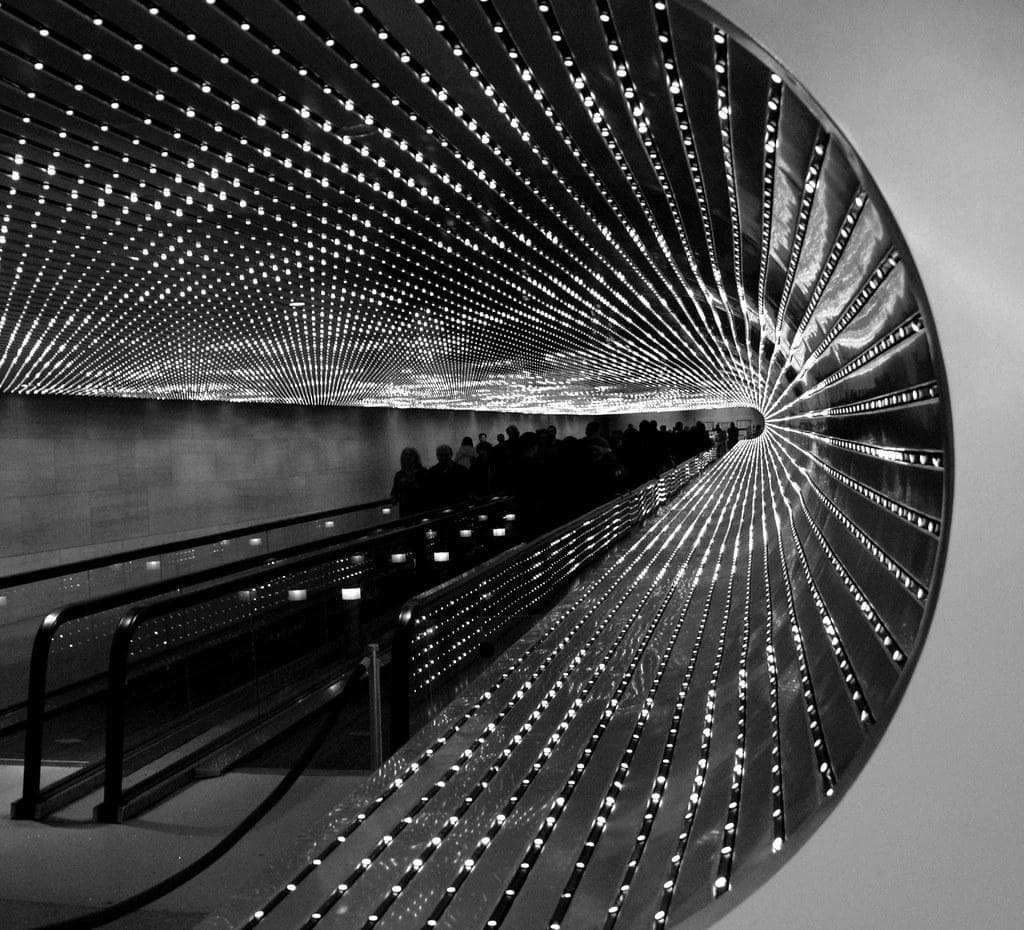
Walker's 'Sculpture Court' brings the outdoor icons indoors
Famous for its outdoor garden, the Walker is turning attention indoors with an exhibit drawn from its archive.
Events
The Wooster Group Returns to the Walker in February
The famed New York experimental troupe headlines the museum's winter performance calendar.
Neighborhood
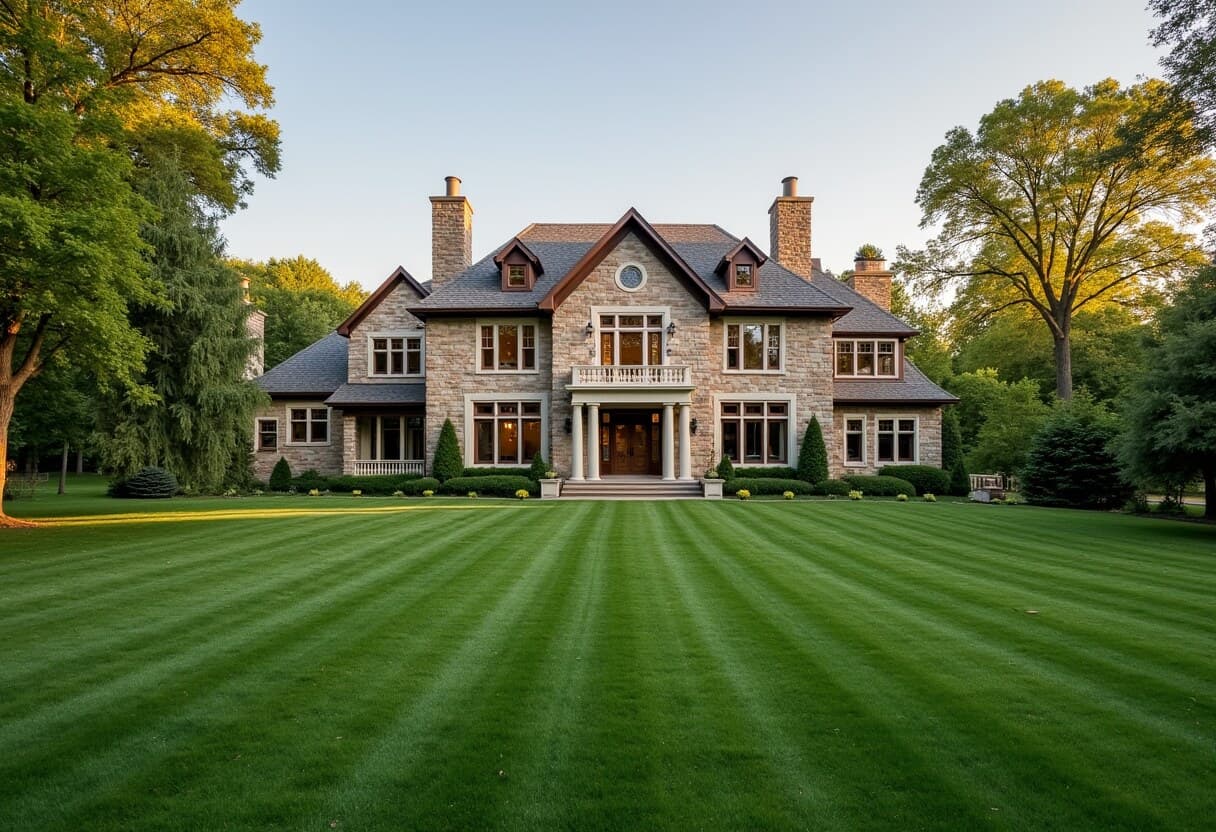
Why Lowry Hill Tops the City's Most-Upscale Lists
Lowry Hill's standing as one of Minneapolis's costliest neighborhoods traces to a streetcar-era boom that filled the ridge with mansions, most of which still stand.
Opinion
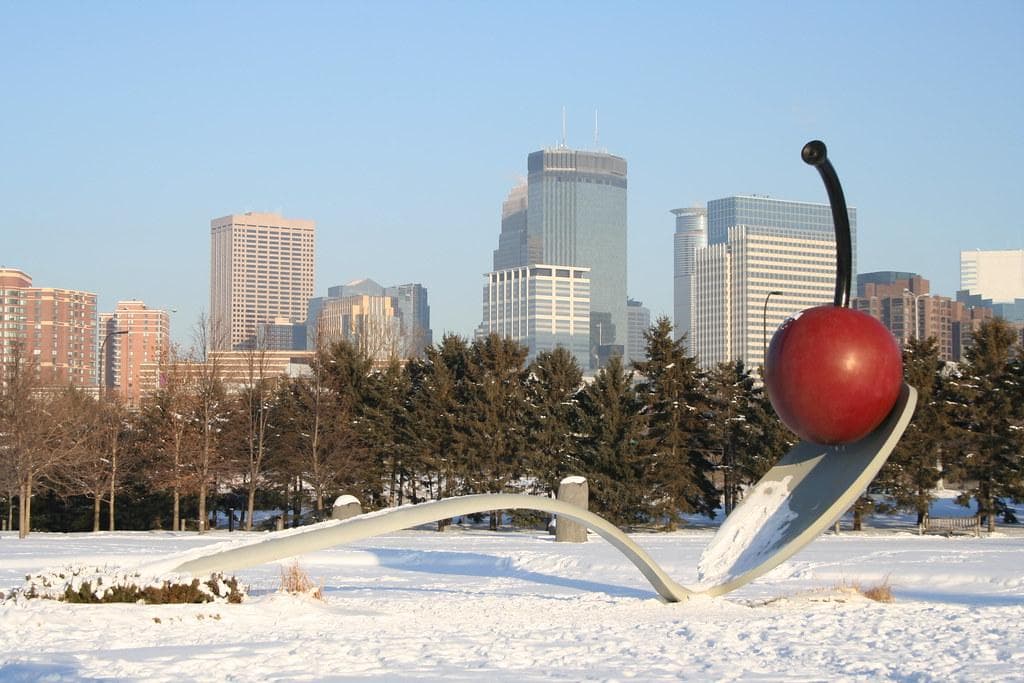
The Spoon Is Probably the State's Most Photographed Object
Claes Oldenburg and Coosje van Bruggen's "Spoonbridge and Cherry" has become Minnesota's unofficial calling card, an unusual fate for a piece of contemporary art.

Neighborhood
The Walker's Film Program Quietly Anchors the Cinephile Scene
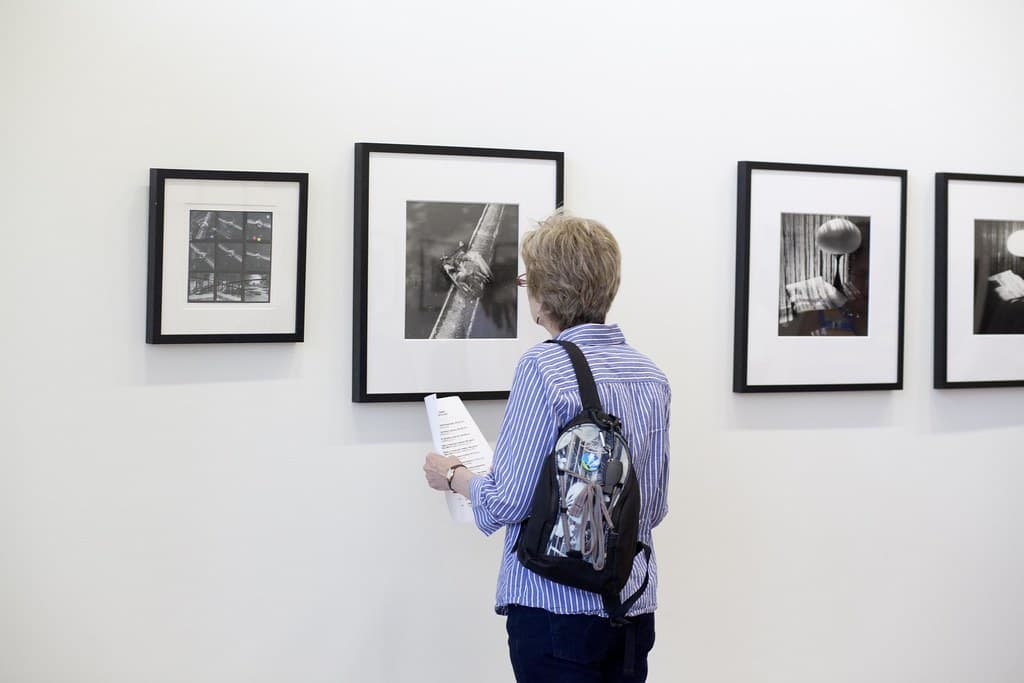
The Walker Art Center's cinema keeps a year-round film calendar a short walk from Lowry Hill, with current screenings ranging from Julie Dash's "Daughters of the Dust" to Charles Burnett's "Killer of Sheep."
Neighborhood
From Groveland to Lowry Hill: A Gallerist's New Chapter
Andrea Bubula, former director of Groveland Gallery, opened Lowry Hill Gallery at 1009 W. Franklin Ave. on March 7, 2026.
Events
Radical Clowning Takes the Walker's Stage Seriously
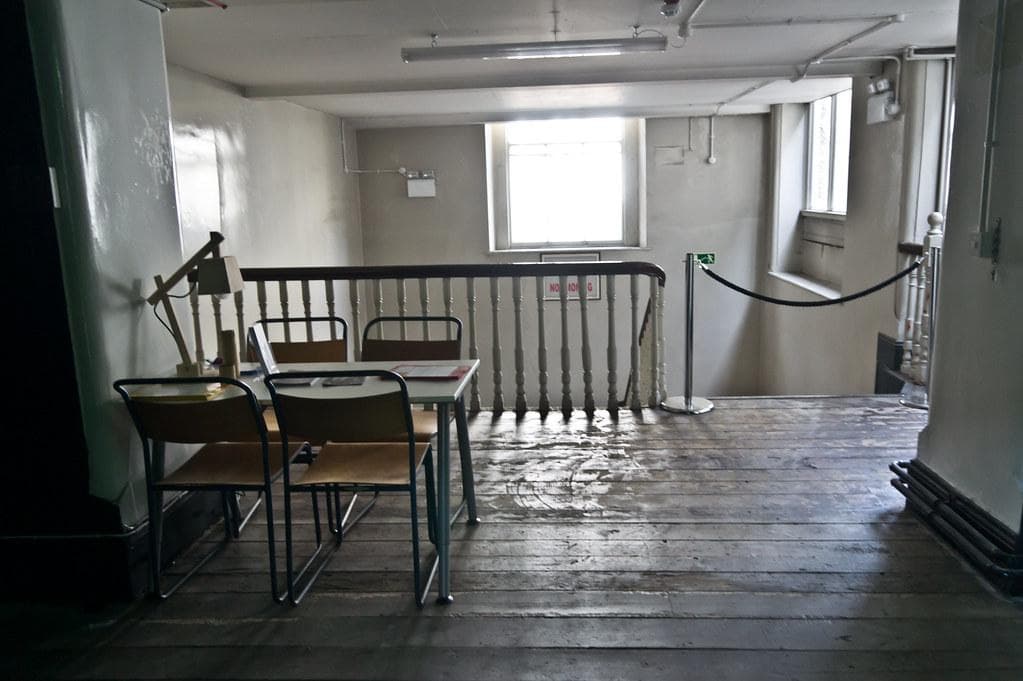
The season's clown programming is less comedy than confrontation.
Events
Trisha Brown Dancers Honor Rauschenberg on a Lowry Hill Stage
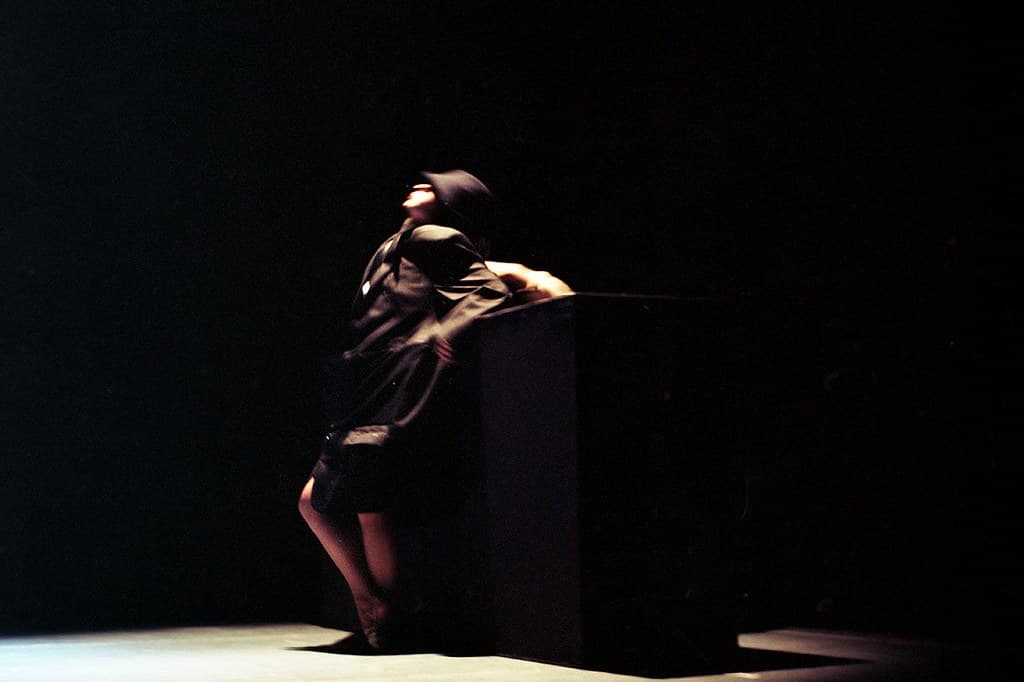
A November program co-presented with Northrop revives postmodern dance landmarks for one night.
Events
Afrofuturist Visions Anchor a Stretch of the Walker Season
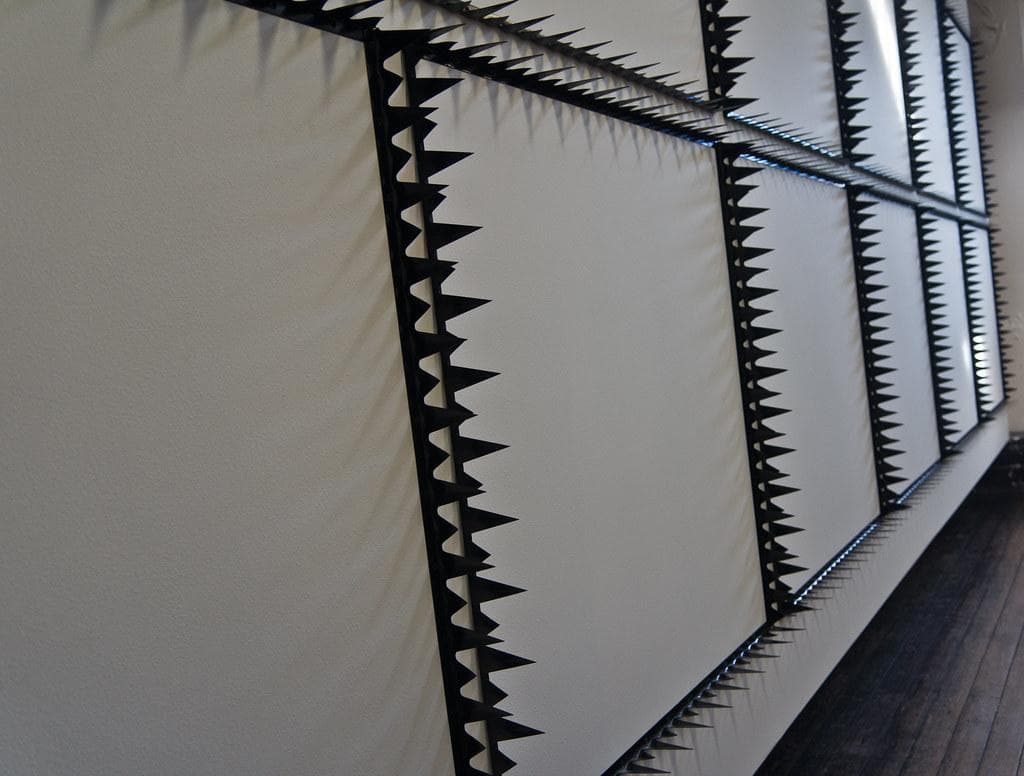
The performance lineup makes room for speculative work reaching toward other futures.
Neighborhood
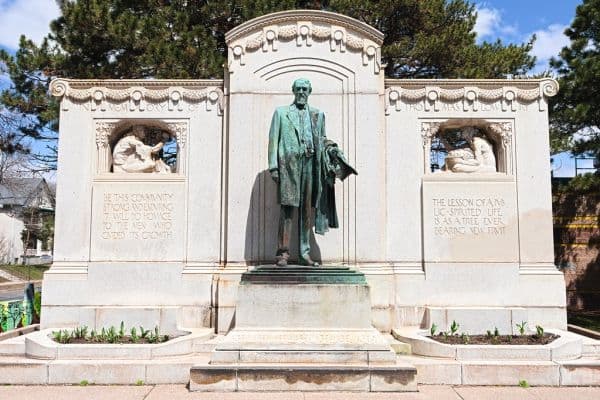
Named for Thomas Lowry, the Hill Keeps Its Founder Close
Lowry Hill is named for Thomas Lowry, the streetcar magnate who built the Twin City Rapid Transit Company.

Neighborhood
One of the Nation's Most-Visited Contemporary Museums Sits Next Door
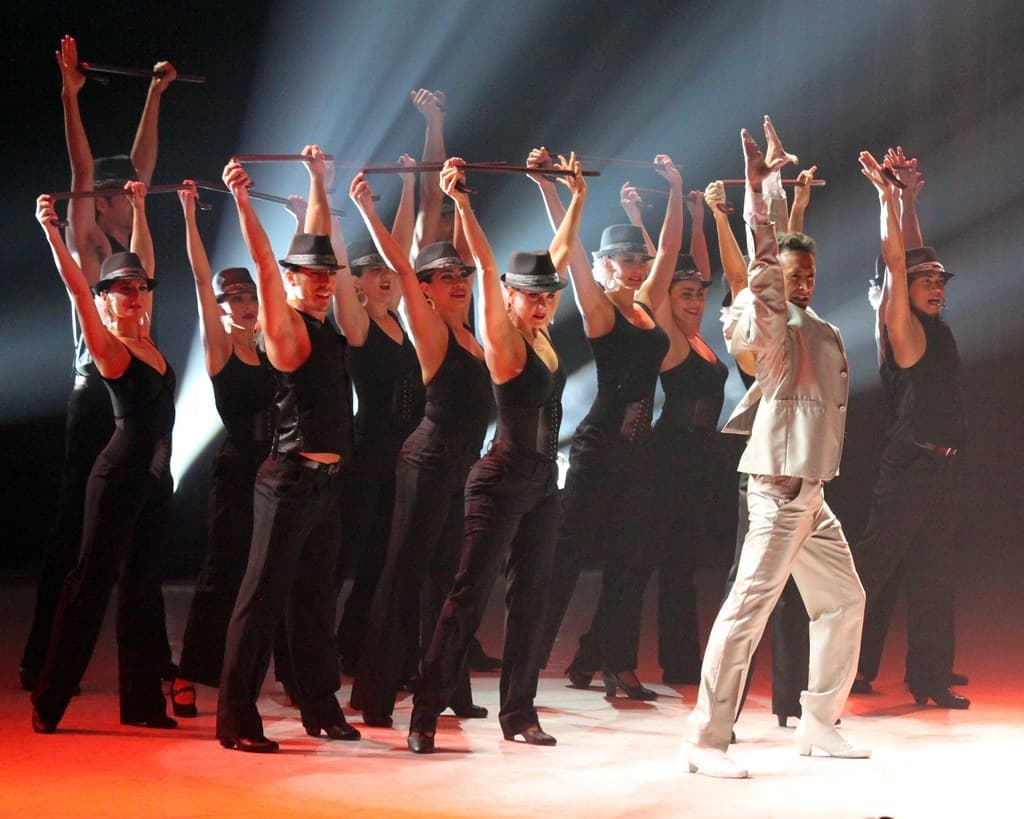
The Walker Art Center, one of the most-visited contemporary art museums in the country, sits at the edge of Lowry Hill and draws about 700,000 visitors a year.
Neighborhood
Rauschenberg's 'Glacial Decoy' Returns to the Walker Where It Began
The Walker Art Center is showing Robert Rauschenberg's set and costumes for "Glacial Decoy," the Trisha Brown dance it commissioned and premiered in 1979, through May 24, 2026.
Neighborhood
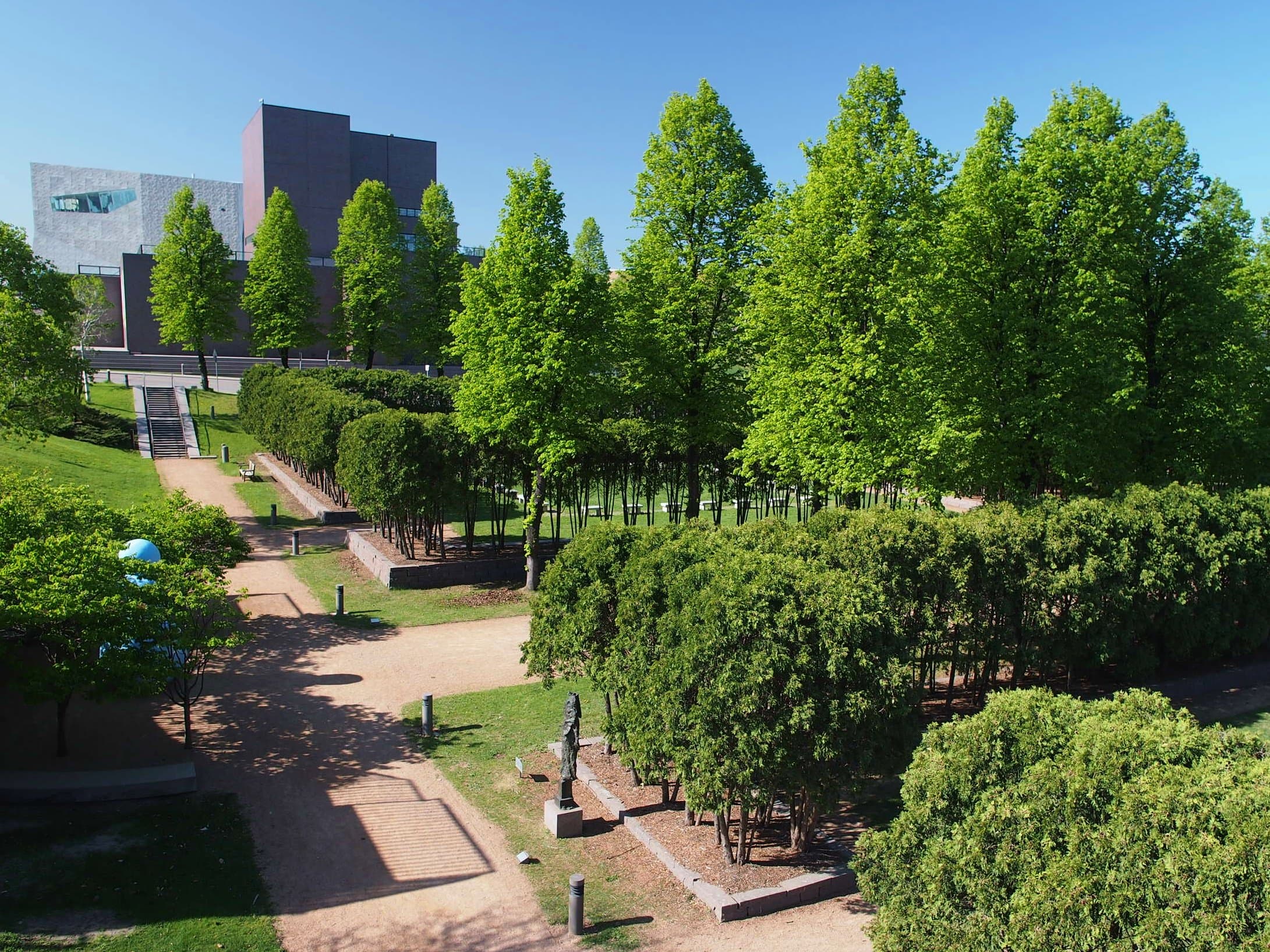
A Museum and a Park Board, Sharing One Famous Garden
The Minneapolis Sculpture Garden runs on a partnership, dating to its 1988 opening, between the Walker Art Center and the Minneapolis Park and Recreation Board.
Neighborhood
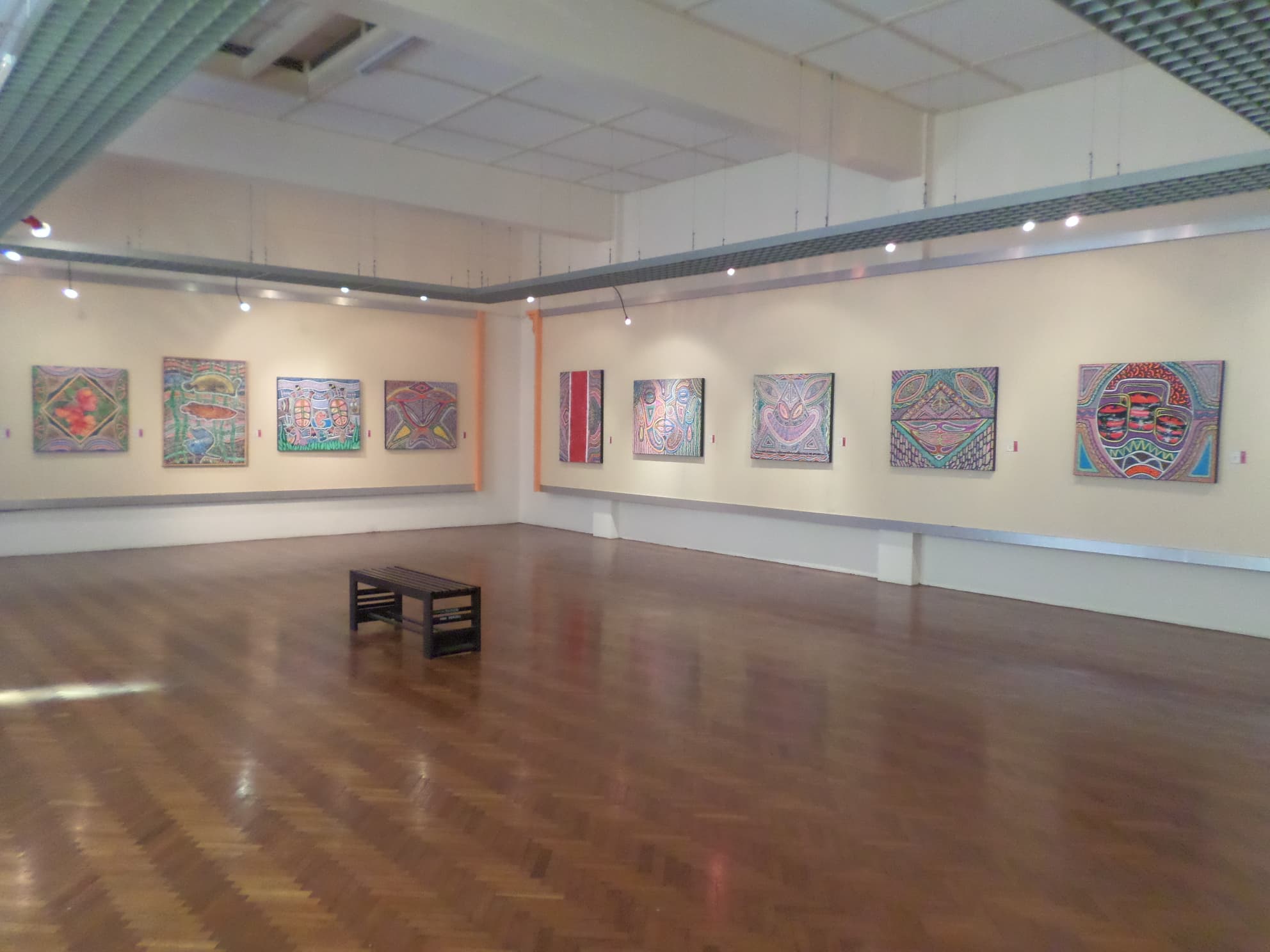
A New Lowry Hill Gallery Brings Regional Art Home
Lowry Hill Gallery, founded by former Groveland Gallery director Andrea Bubula, opened March 7, 2026, at 1009 W. Franklin Ave. to show Minnesota and regional artists.
Opinion
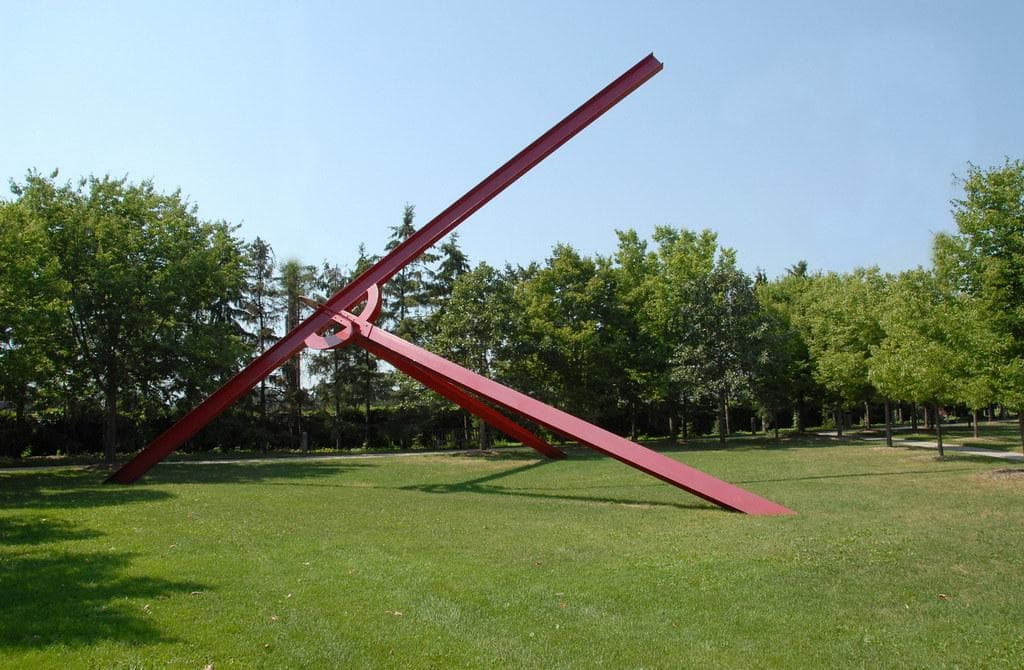
Why Everyone's Wedding Photos End Up at the Spoon
The free Minneapolis Sculpture Garden and its Spoonbridge and Cherry have become the region's default backdrop for weddings and milestone photos.
Neighborhood
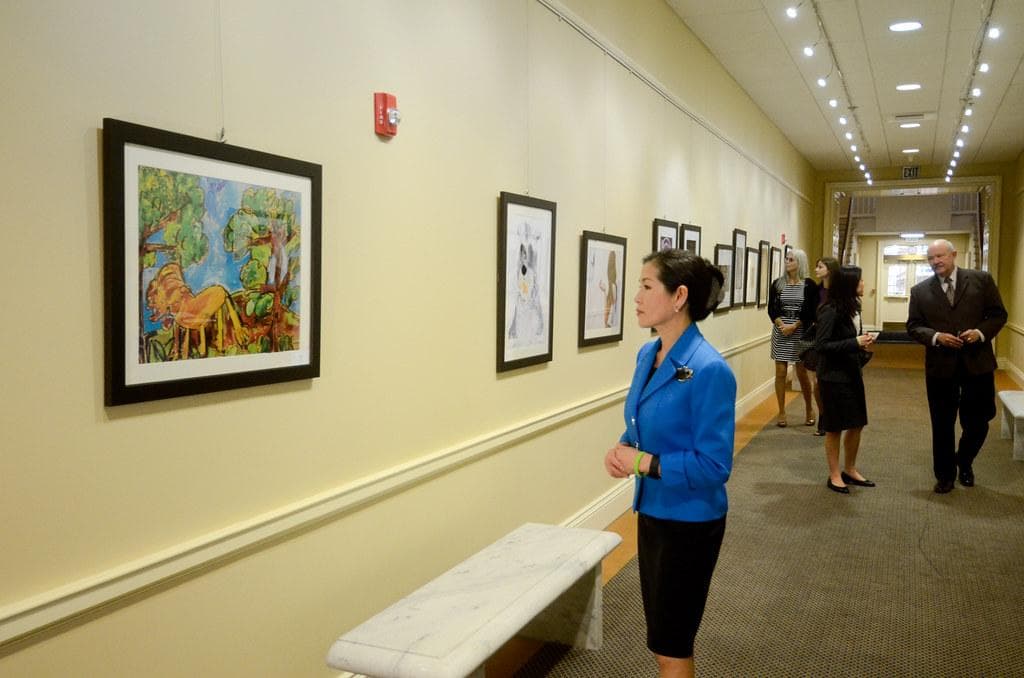
A Quiet Painter's Show Carries a Thread Back to the Walker
Lynne Woods Turner's Portland exhibition traces its origin to a 1979 film of Trisha Brown's "Spanish Dance" performed at the Walker Art Center.
Events
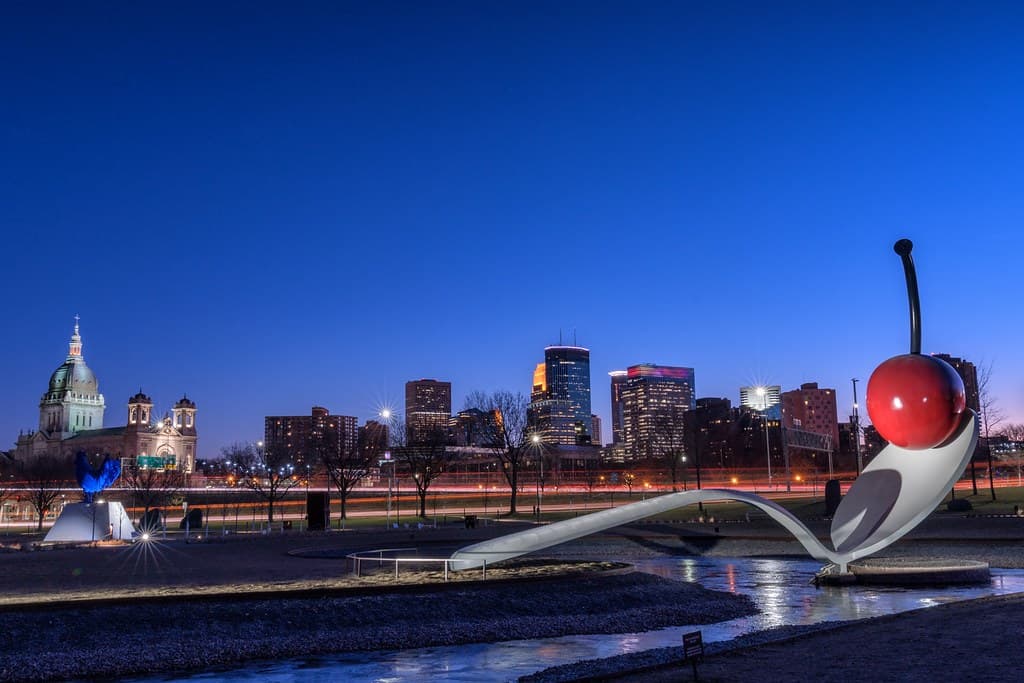
Walker Art Center Lines Up a Season of Exhibitions and Performances
The contemporary museum pairs new shows with live programming.
Neighborhood
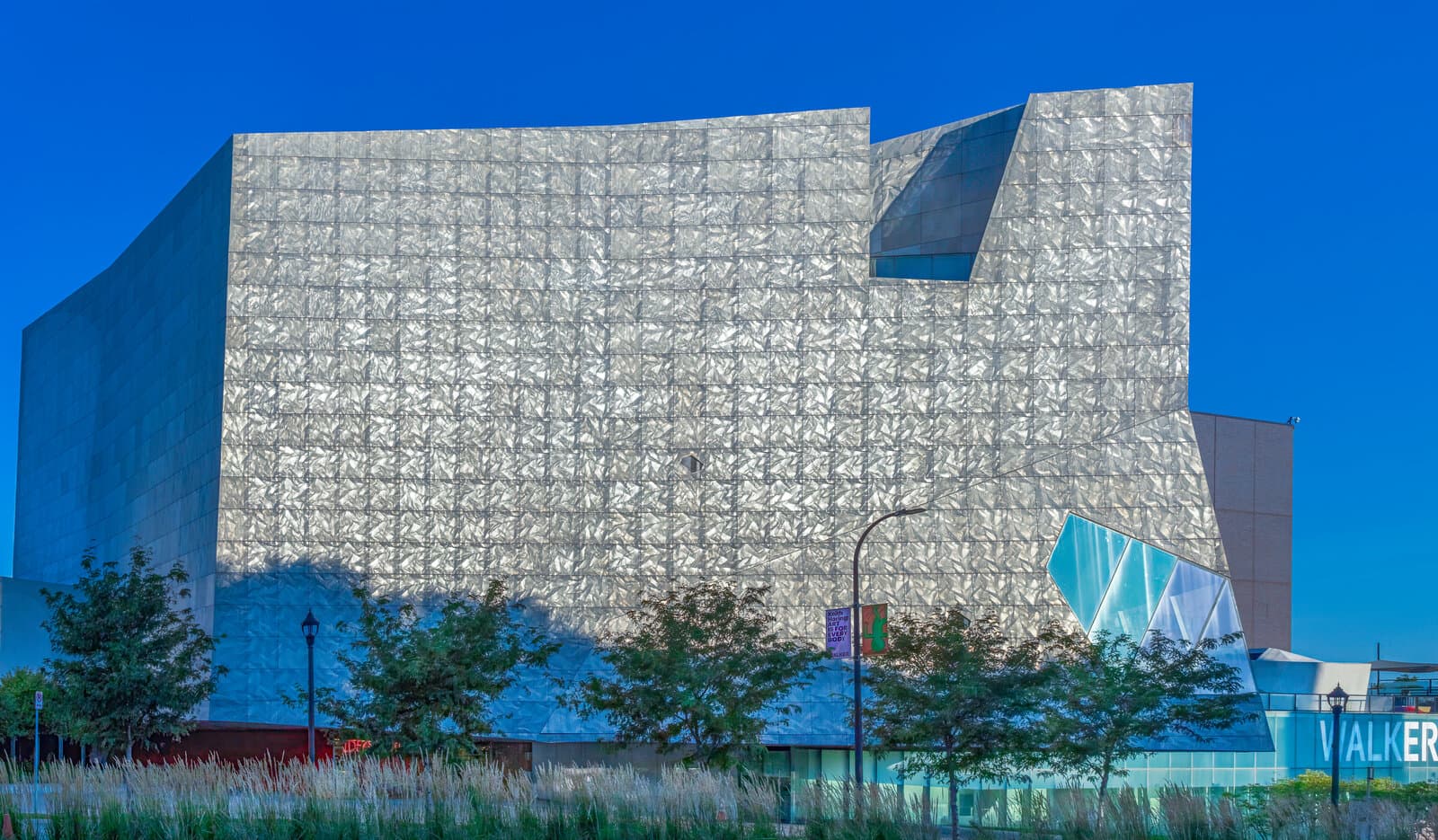
Clowns, Jazz Titans and Sci-Fi: The Walker's Bold New Season
The Walker Art Center's 2025-26 performing arts season, which opened Sept. 13, runs from experimental clowning to jazz titans and a Wooster Group return after 25 years.
Neighborhood
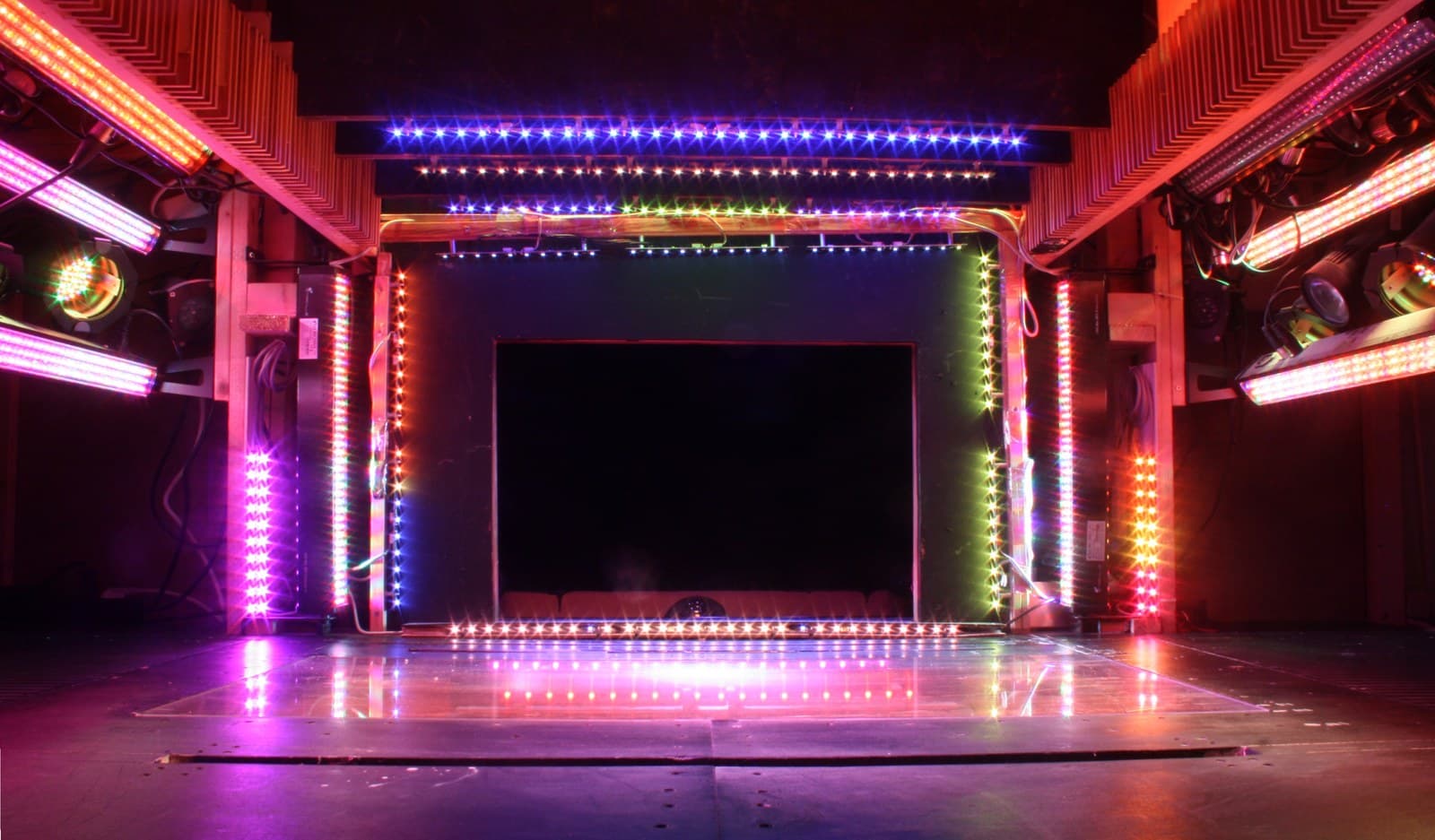
Inside the McGuire Theater, the Walker's Stage for Risk
The Walker Art Center's live performances unfold largely in the McGuire Theater, a 385-seat hall that opened with the museum's 2005 expansion and is built for experimental work.
Neighborhood
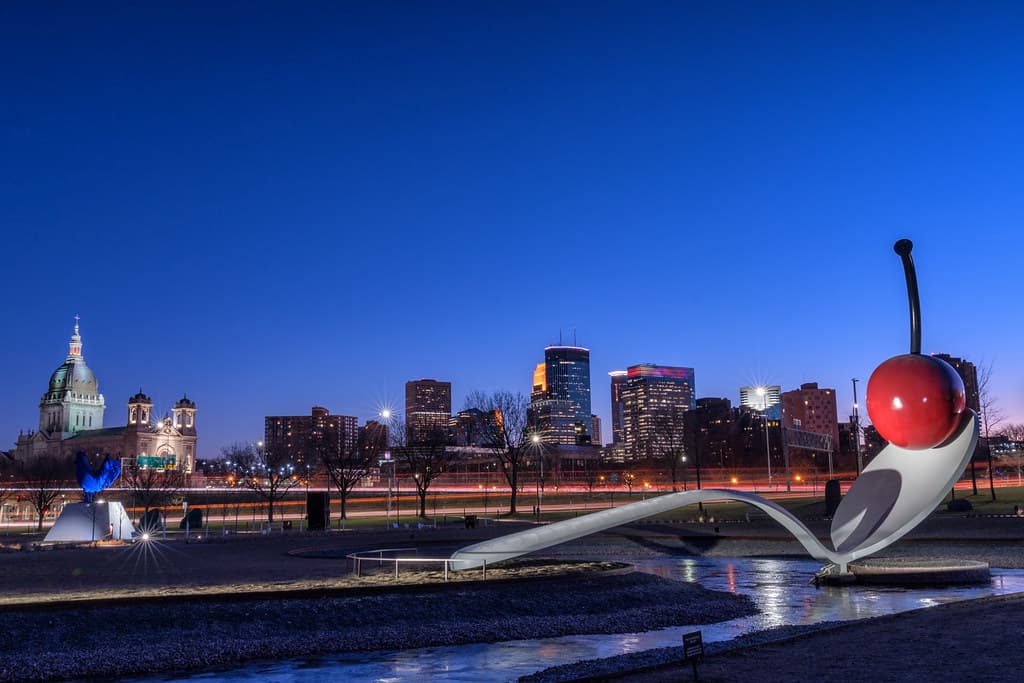
Where the Walker Art Center Meets the Neighborhood
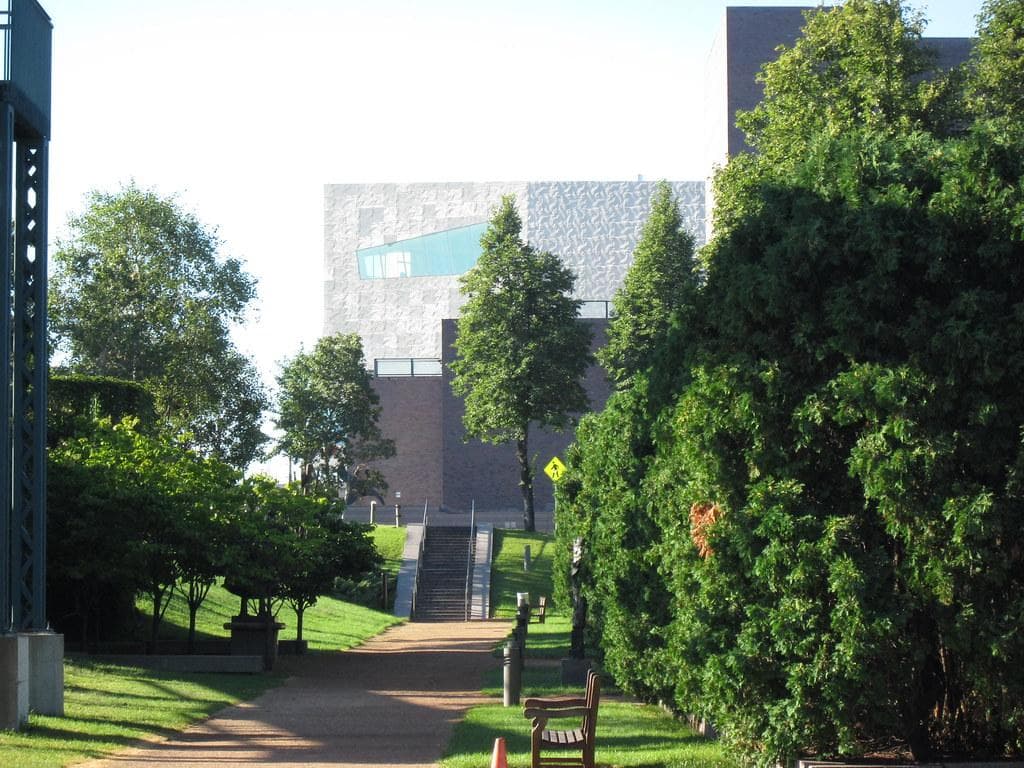
Lowry Hill's northeastern edge runs up against the Walker Art Center and the Minneapolis Sculpture Garden.
Neighborhood
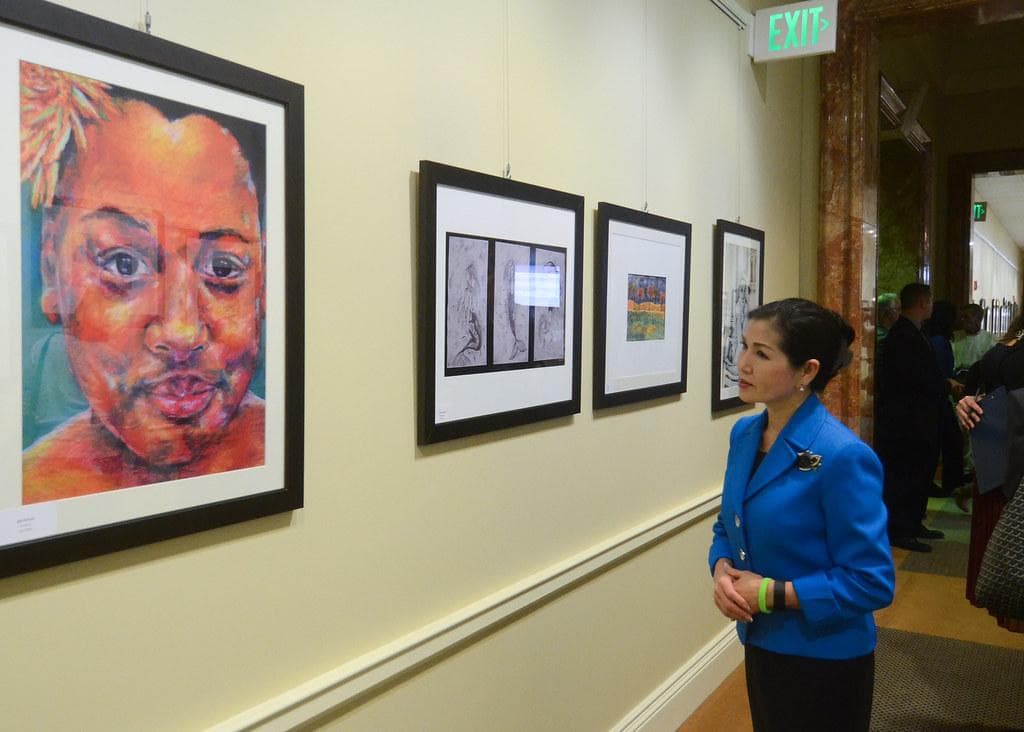
Planning a Walker Visit: Hours, Garden Access and the Free Days
The Walker's galleries run on museum hours and charge admission, while the adjacent Sculpture Garden is free and open daily.
Neighborhood
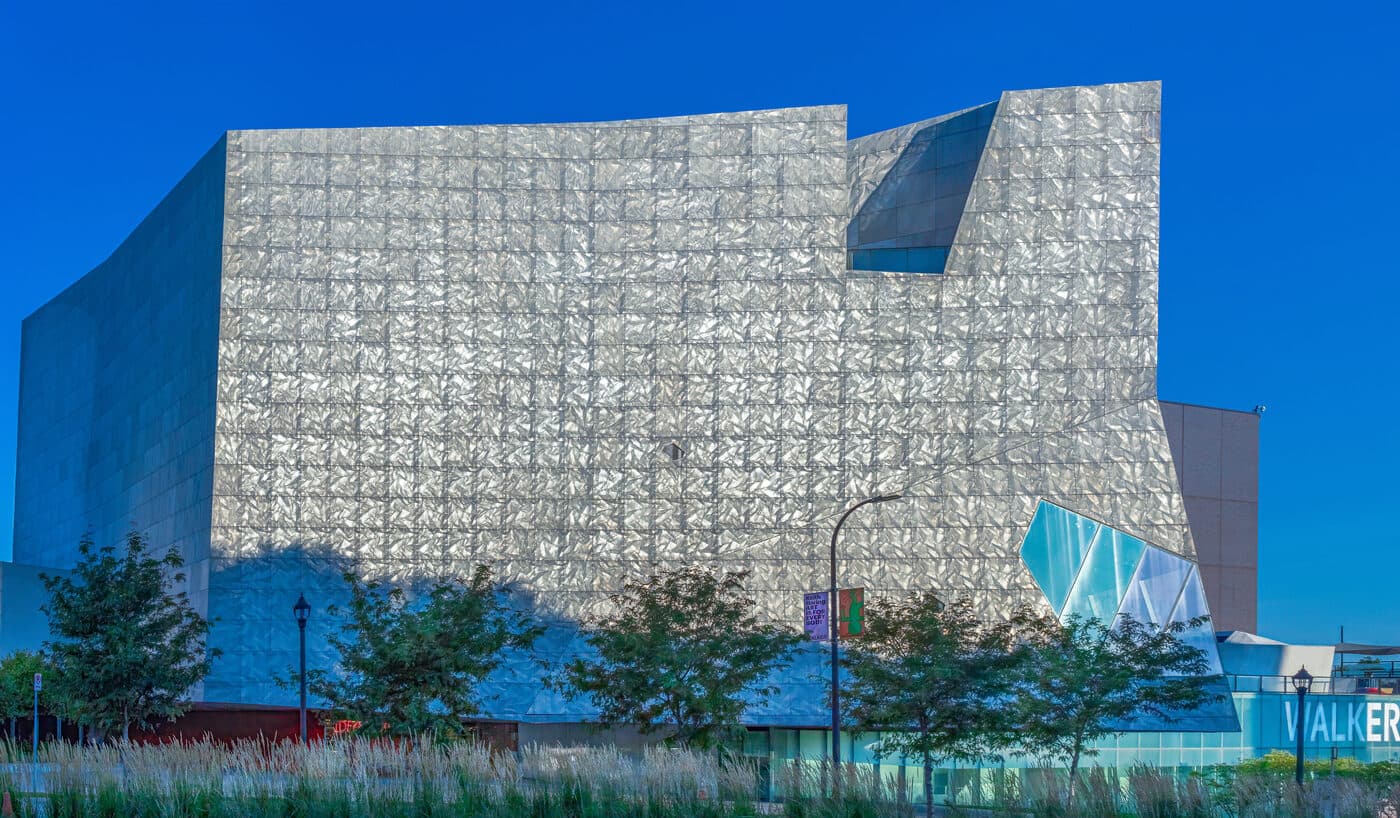
The Walker's Striking Form Is Part of the Art
The Walker Art Center's form on the edge of Lowry Hill, from Edward Larrabee Barnes's 1971 building to the 2005 Herzog & de Meuron expansion, is treated as part of the museum's argument.
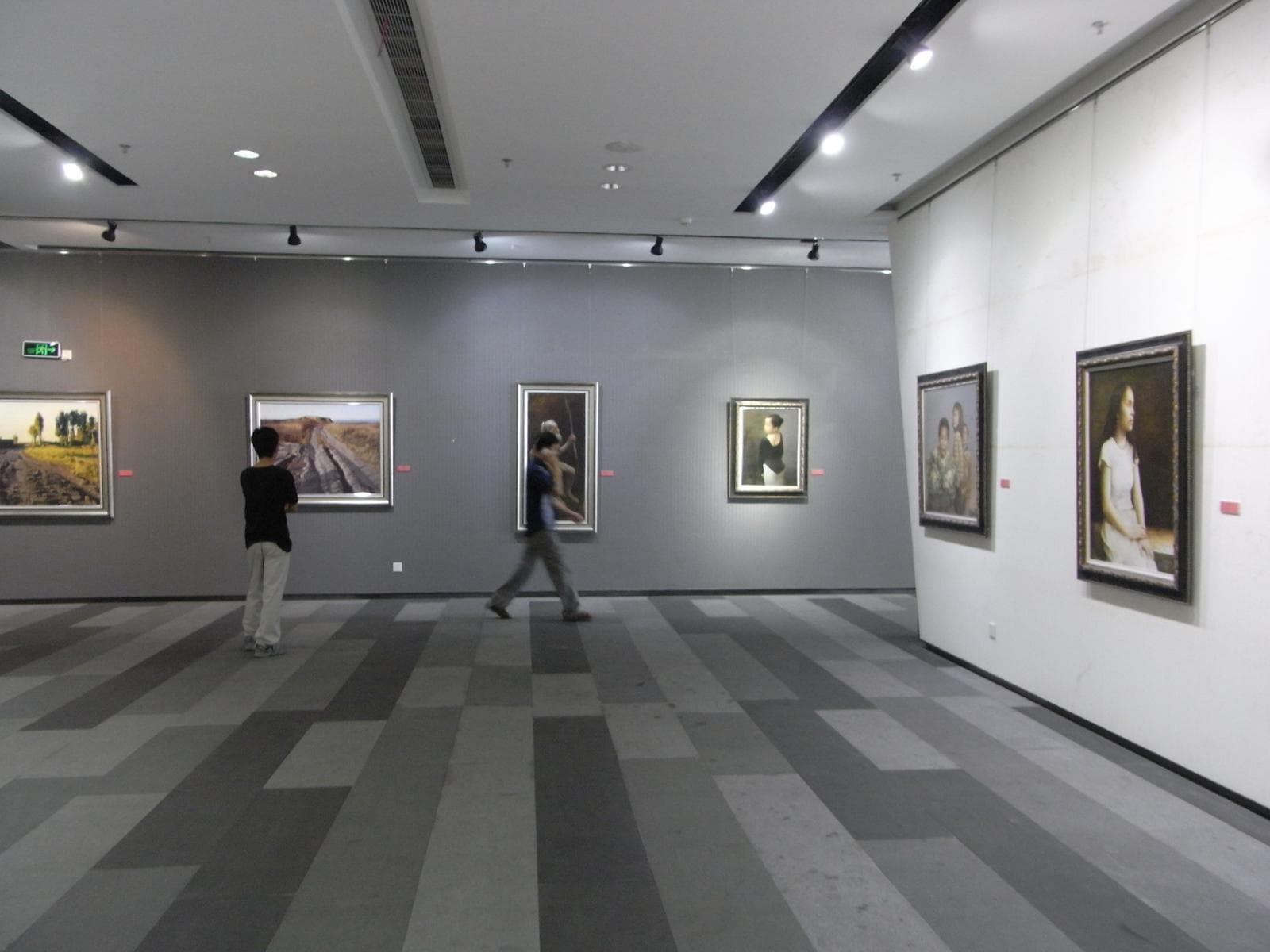
Events
Poetry Finds a Summer Home at the Walker
Free readings add the spoken word to the museum's warm-weather mix.
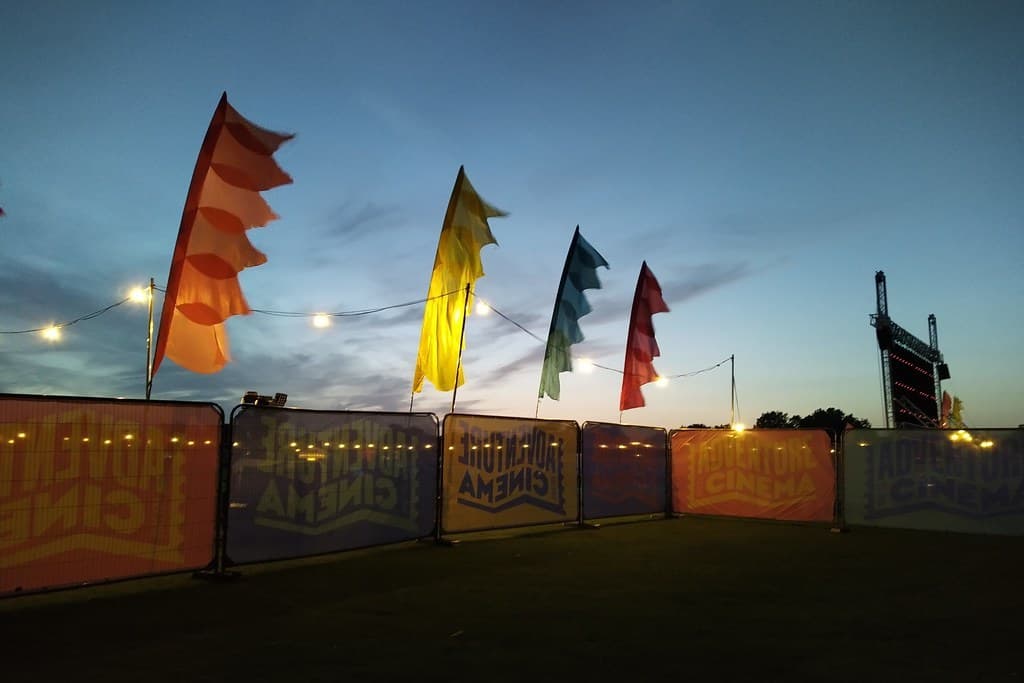
Events
'Sound for Silents' Pairs Live Music With Classic Film
The Walker revives a beloved summer series scoring silent cinema in real time.
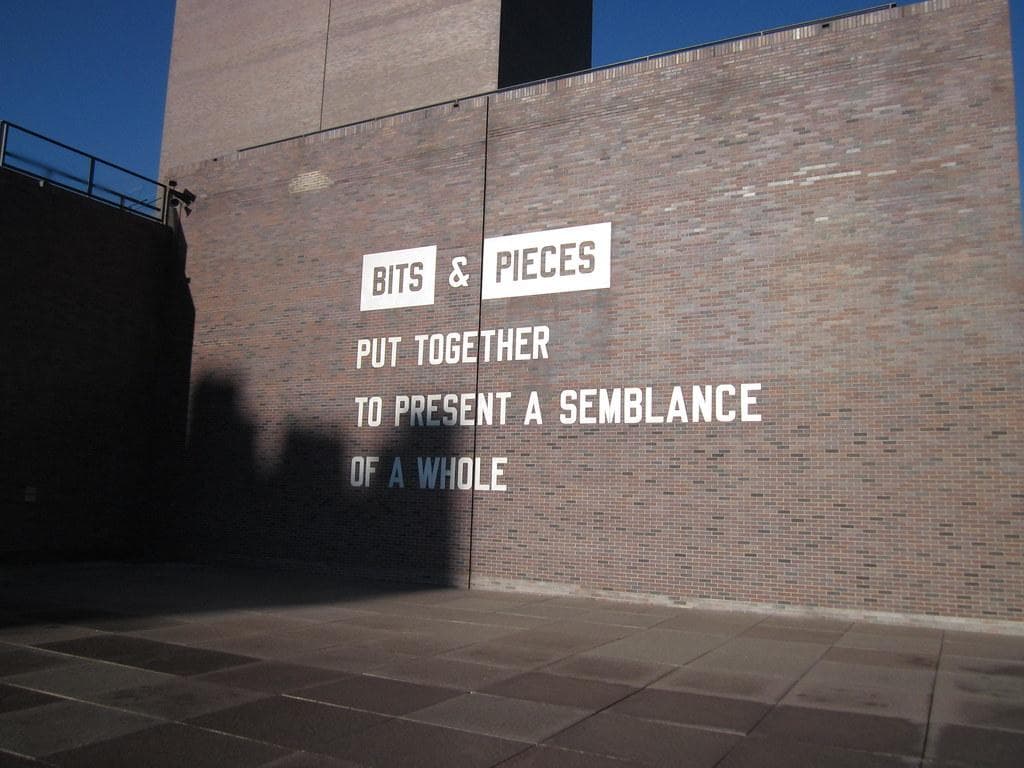
Neighborhood
More Than a Landmark: The Sculpture Garden Keeps Changing
Decades after opening, the park beside the Walker continues to reinvent itself.
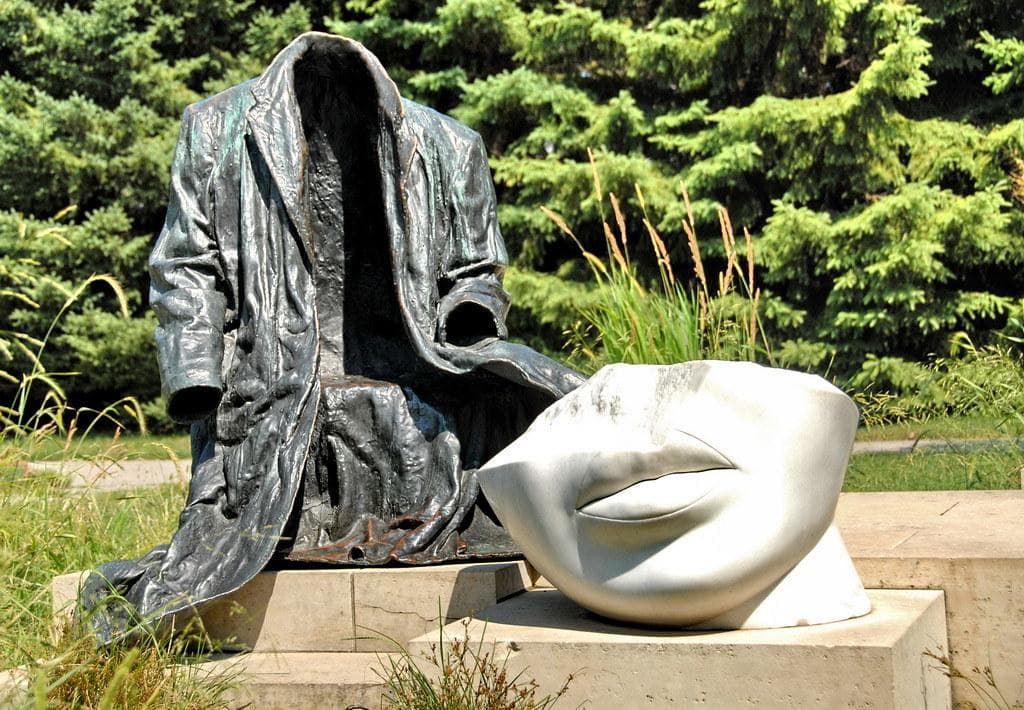
Events
The Cookout Turns the Upper Garden Into a Block Party
The Walker Art Center's summer Cookout turns the Wurtele Upper Garden into a neighborhood gathering of food and music.
Events
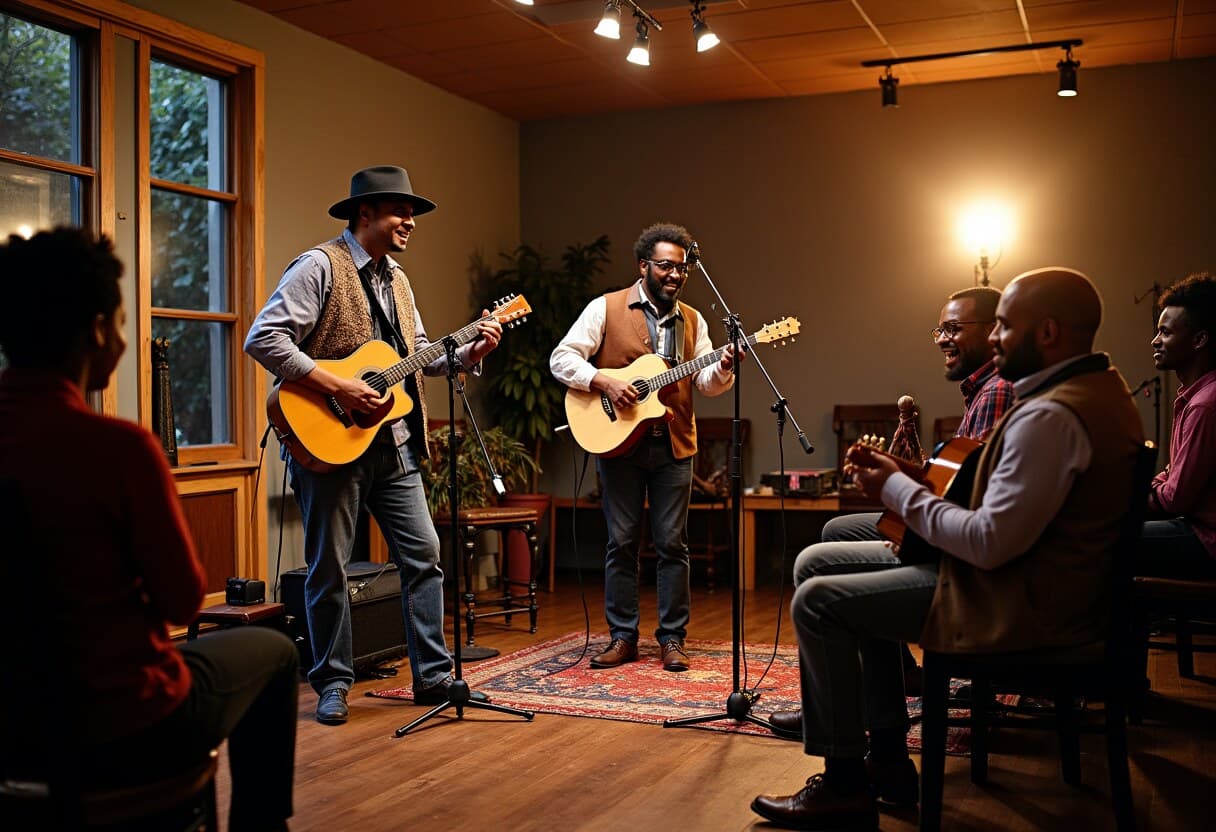
Walker Library Hosts an Afternoon of Congolese Roots Music
Guitarist Siama Matuzungidi brings Congolese roots music to the Walker Library branch in a free, family-friendly afternoon concert.
Events
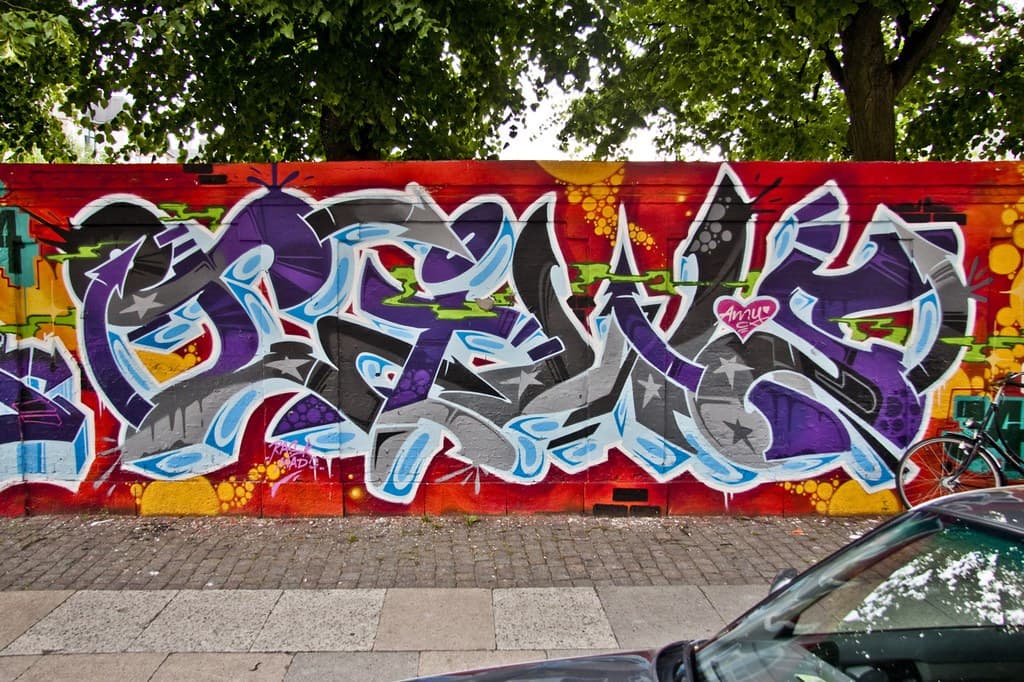
Lyn-Lake's Street Art Series Marks Its Eighth Year
The free mural and graffiti festival celebrates Twin Cities culture each July.
Neighborhood
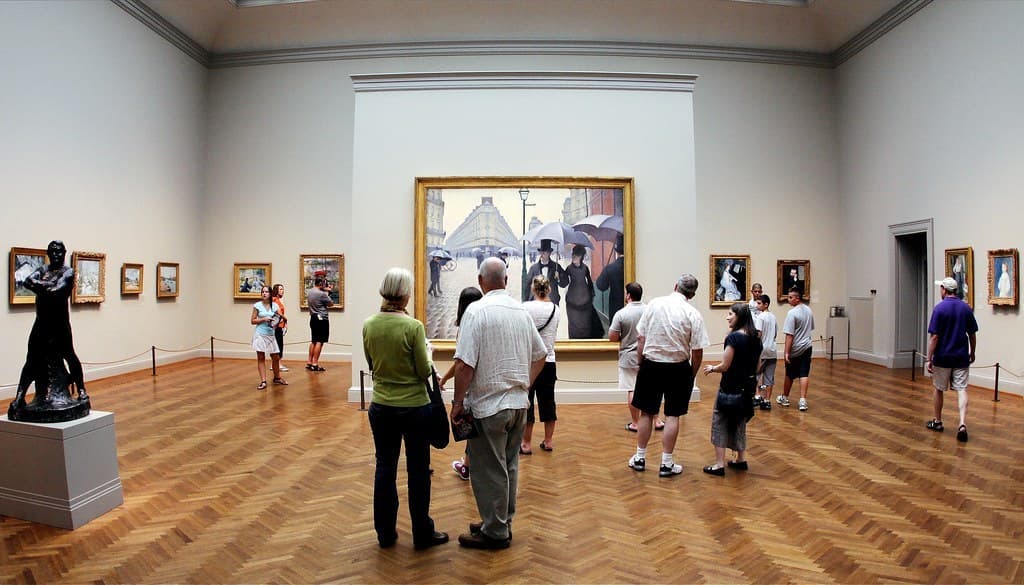
Up to Five Shows at Once: How the Walker Stays Restless
The museum's habit of running multiple exhibitions keeps repeat visits worthwhile.
Neighborhood
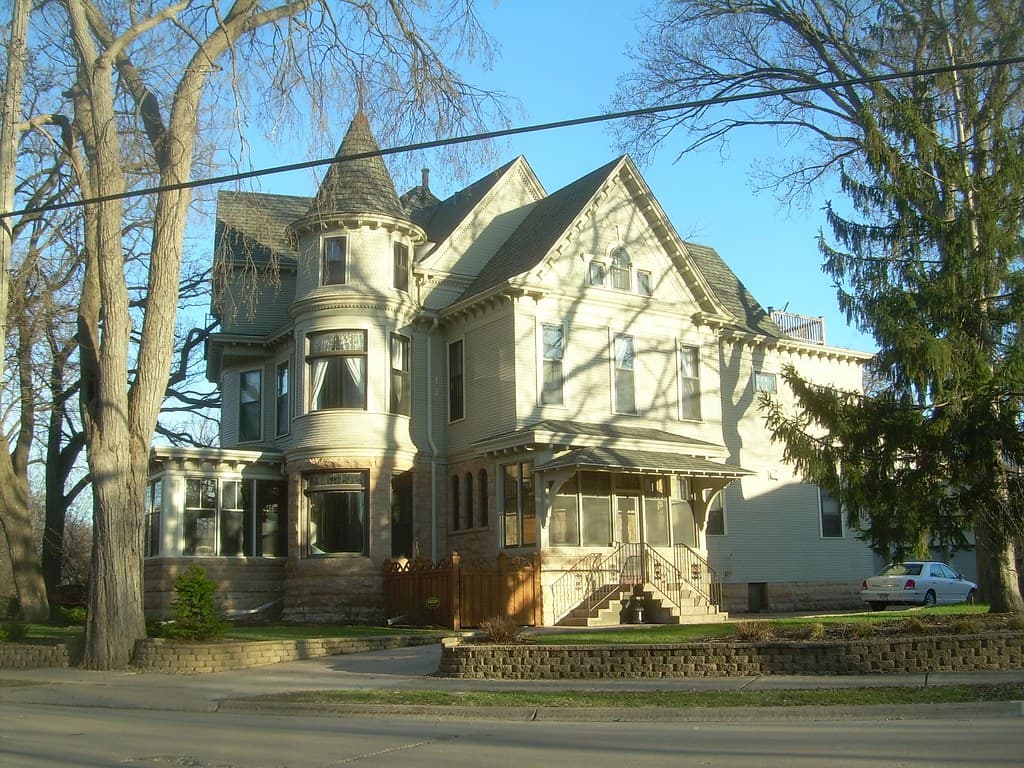
Meet Your Neighbor: A Mount Curve Steward Keeps a 1906 House Standing
Owners of the century-old houses along Mount Curve Avenue describe their role as stewardship, and the Lowry Hill Neighborhood Association documents the homes they maintain.

Events
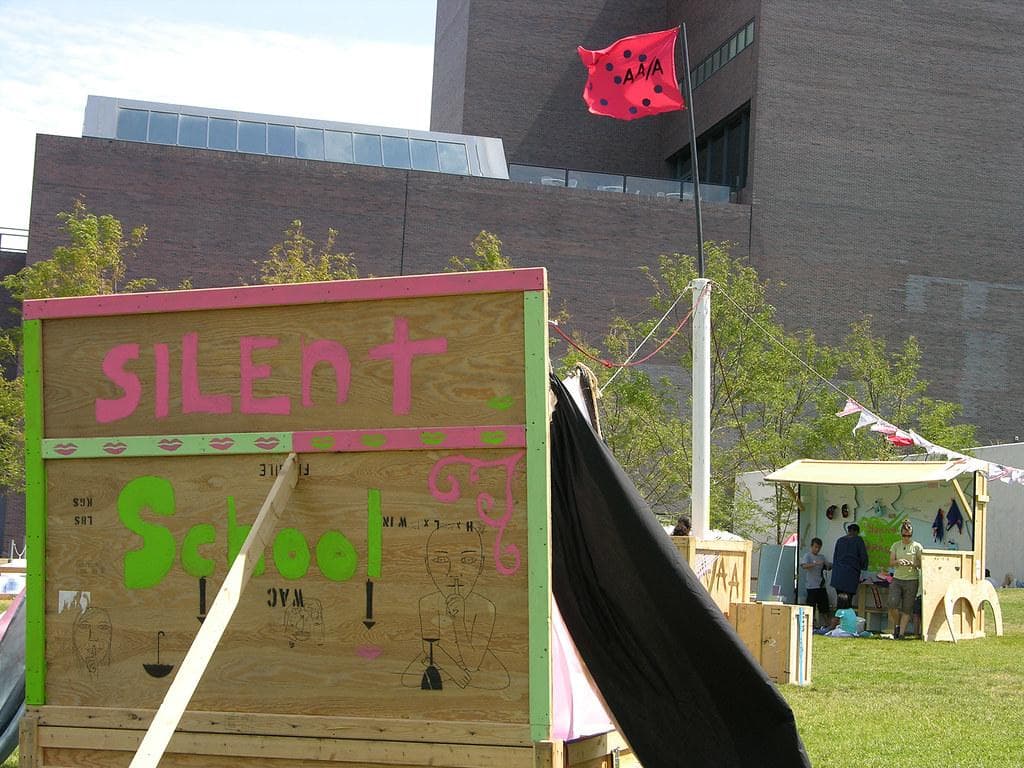
Friday Art-Making Sessions Bring Studio Time to the Garden
All summer, the Walker hosts free outdoor creativity sessions among the sculptures.
Events
The Walker Stacks Its Summer With Free Programming
Screenings, poetry, music and art-making fill the warm-weather calendar at no charge.
Events
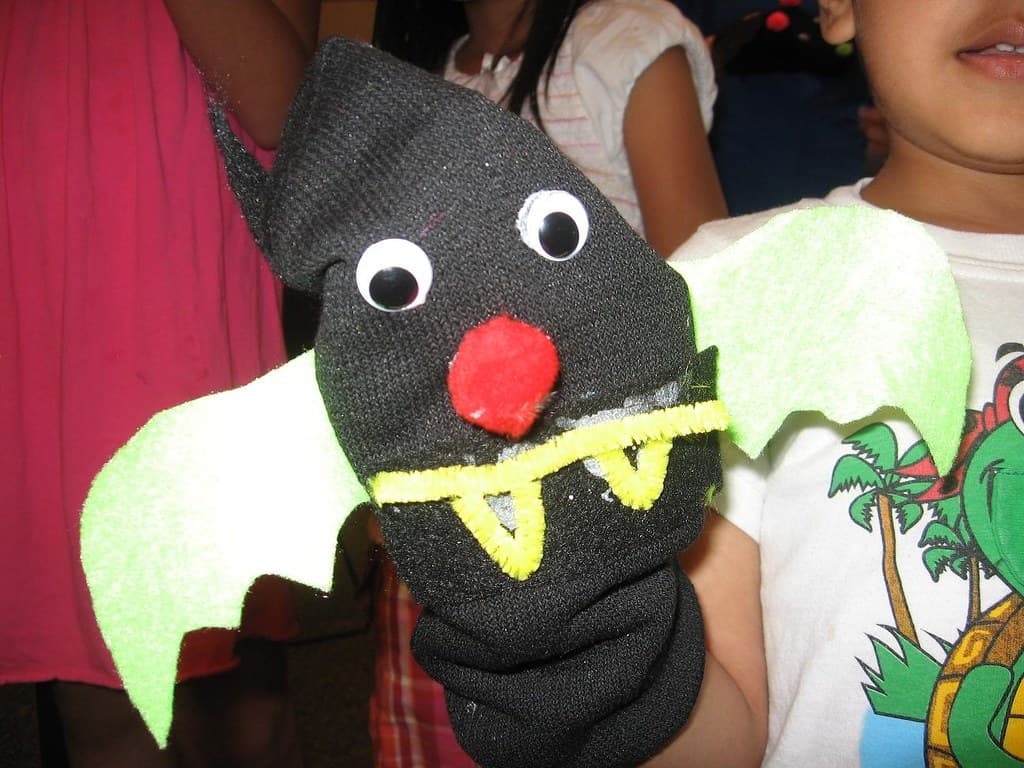
Walker Library Builds Out a Free Summer Program Slate
The neighborhood branch lines up concerts and family events.
Events
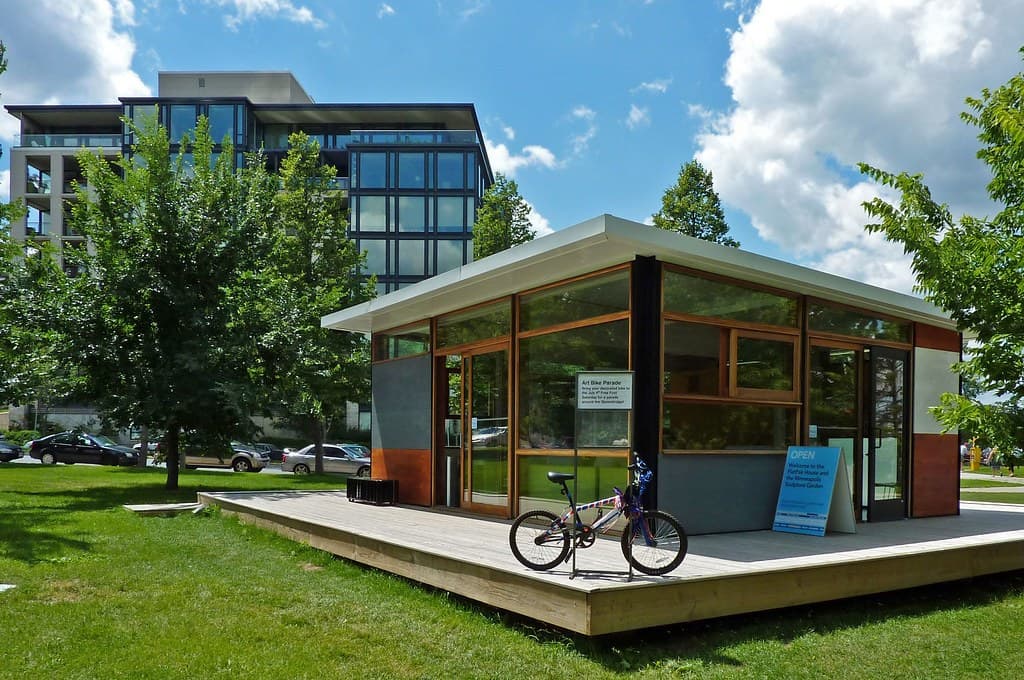
Sculpture Garden Offers Free Family Programs Through the Season
The Walker's eleven-acre garden anchors a slate of open-air programming.
The neighborhood, in your inbox
Free. No paywall. Pick the topics you want — we send what’s happening this week.